
Devil's walking stick
Aralia spinosa L.
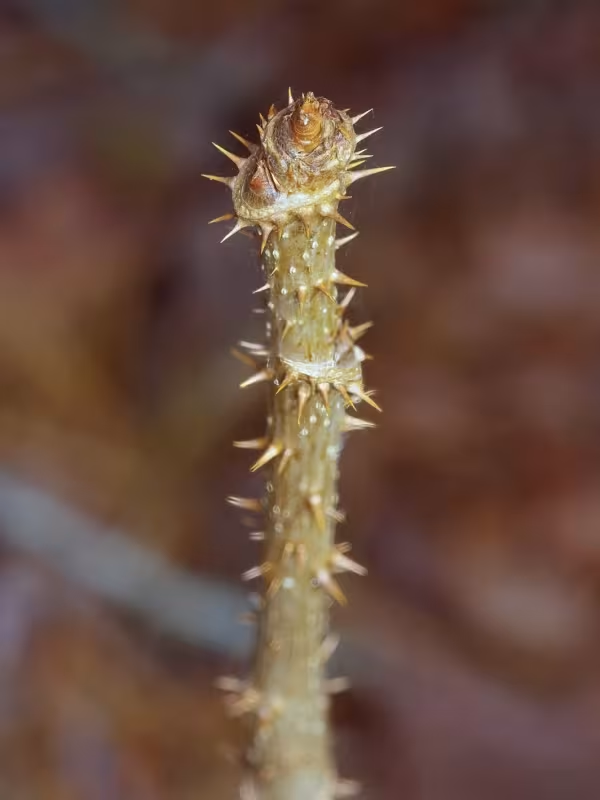
Description
Sowing dates
Propagation of Aralia spinosa is most commonly achieved through root suckers or stem cuttings during the spring season. Seed propagation requires mandatory stratification for 3–4 months at low temperatures, as the seeds possess a deep dormancy period.
When sowing seeds into the soil, operations should be planned for the autumn so that the seeds undergo natural preparation for germination over the winter. Sowing depth should not exceed 1–2 centimeters, and mulching the soil surface after sowing is recommended to retain moisture.
Vegetative propagation via root suckers is conducted in early spring before active sap flow begins, or in autumn after leaf fall. This is the most reliable method for obtaining high-quality planting material while preserving varietal traits.
When planting seedlings in their permanent location, it is important to maintain a distance of at least 2–3 meters between plants, as the Devil's walking stick tends to spread vigorously in width through the formation of root sprouts.
Planting holes must be amended with organic fertilizers, such as compost or well-rotted manure, to provide young plants with essential nutrients during the adaptation phase.
Growing requirements
Aralia spinosa is a perennial shrub or small tree of the Araliaceae family, which reaches heights of up to 6–8 meters in natural conditions. The crop prefers sites protected from strong winds, located in partial shade or open sunny spots with sufficient moisture.
The plant has moderate soil requirements, preferring fertile, loose, and well-drained substrates. Water stagnation is fatal for Aralia, therefore, on heavy clay soils, the installation of a drainage layer is necessary.
The optimal soil pH level for the successful cultivation of this plant ranges from 5.5 to 7.0. It responds well to mulching with wood bark or compost, which helps maintain the necessary moisture levels in the root zone.
Climate requirements include a temperate environment without extreme frosts. Although adult specimens possess some winter hardiness, young plants require protection of the root collar during the first few years of life.
Good agricultural practice also includes regular sanitary pruning, aimed at removing dead or damaged branches, which stimulates the growth of healthy shoots and maintains the plant's decorative appeal.
Yield
The commercial use of Aralia spinosa is focused primarily on obtaining medicinal raw materials, specifically the roots and bark. The maximum concentration of bioactive compounds is achieved in the roots of plants aged between 5 and 7 years.
The yield of raw material directly depends on the planting density and the agrotechnical management. With proper care, a plantation can provide a stable output of root mass suitable for industrial processing in pharmacological industries.
In ornamental landscaping, yield is expressed through the intensity of flowering and fruiting. The flowers are small, gathered in large panicle inflorescences, and the fruits are dark purple drupes that attract wildlife.
To stimulate vegetative mass and improve root quality, regular nitrogen fertilization at the beginning of the growing season is recommended, transitioning to potassium-phosphorus compositions by late summer.
The harvesting of raw material must be planned to avoid exhausting the root system of the entire plant array, which allows the plantation to remain productive on the same site for many years.
Main diseases and pests
The main pests of Aralia spinosa include sucking insects, such as aphids and spider mites, which can attack young shoots and leaves during drought periods. Systemic insecticides and acaricides are used to control them.
Among diseases, fungal infections such as root rot are the most dangerous, occurring due to improper watering regimes and soil waterlogging. Prevention consists of drainage control and soil treatment with fungicides.
Leaf spot can occur under conditions of high humidity and poor air circulation within the canopy. To prevent the spread of the disease, thinning pruning and avoiding overhead irrigation are recommended.
Slugs and snails sometimes damage young emerging shoots in early spring, which necessitates the installation of barrier traps or the use of specialized molluscicide preparations.
The overall health of the plantation depends directly on keeping the area free of weeds, which can act as intermediate hosts for many pests and diseases affecting this crop.
Harvesting
Harvesting root raw material is carried out in autumn, after the end of the growing season, when the above-ground part of the plant begins to wither. During this period, the concentration of glycosides in the roots reaches its peak.
The root extraction process requires caution to minimize damage to the root system of mother plants if continued cultivation is planned. Pitchforks or shovels are used to carefully dig up the shrub.
Harvested roots are cleaned of soil, thoroughly washed in running water, and freed from any small decayed sections. It is essential to remove all foreign matter before the drying process begins.
Drying is carried out in specialized driers at temperatures not exceeding 50–60 degrees Celsius, which allows for the preservation of active ingredient structures. Direct exposure to sunlight during the drying process must be avoided.
Storage of the dried roots is performed in dry, well-ventilated rooms using bags or paper containers. The shelf life of properly dried raw material is typically up to three years, provided storage conditions are maintained.