
Japanese angelica tree
Aralia elata (Miq.) Seem.
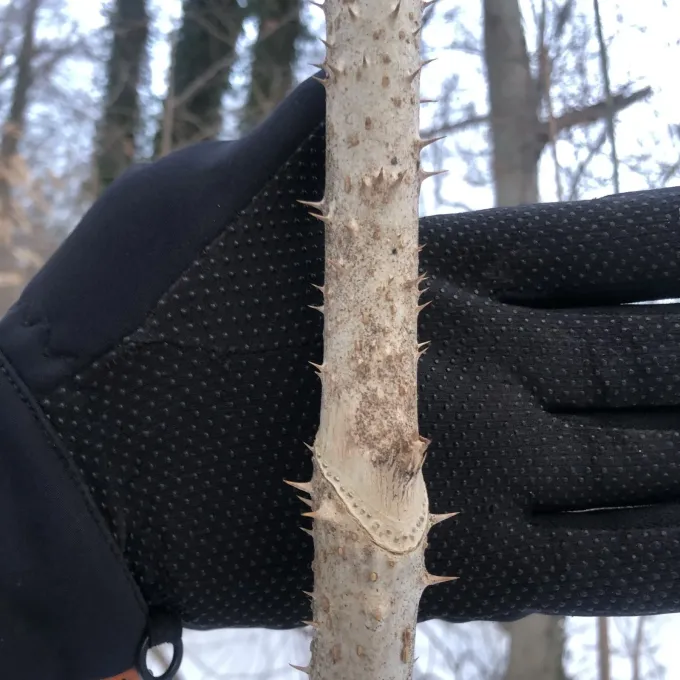
Description
Sowing dates
Propagation of Aralia elata is performed through seeds, root suckers, or cuttings. Seeds have low germination due to a state of deep dormancy, so stratification for 3–4 months at temperatures between 0 and 5 degrees Celsius is mandatory.
Sowing in open ground is carried out before winter, which allows for natural stratification in the soil. With spring sowing, seedlings may appear only in the second year, so seeds are pre-treated by keeping them in moist sand.
Vegetative propagation using root suckers is considered the most effective method for establishing plantations. Suckers are harvested in early spring before sap flow begins or in autumn after leaf fall, planting them at a permanent site with an interval of 2–3 meters.
Cuttings are made using root pieces 15–20 centimeters long. They are placed in furrows at a depth of 5–10 centimeters, ensuring moderate soil moisture for successful rooting of young plants.
The optimal planting scheme for commercial purposes is 2.5 by 3 meters, which provides sufficient space for the powerful root system and the development of the aerial part of the plant.
Growing requirements
Aralia elata belongs to the Araliaceae family and is a valuable perennial crop. It is a light-loving plant that requires open areas but can tolerate light shade in the first years of growth.
The crop prefers fertile, loose, well-drained soils with a neutral or slightly acidic reaction. In waterlogged and heavy clay soils, the plant develops poorly and is often affected by root rot.
For successful growth, high air and soil humidity are necessary during the first half of the growing season. The crop is quite winter-hardy, although young shoots can be damaged by late spring frosts.
Agrotechnics include regular loosening of tree rings and weed removal. It is important to avoid deep soil cultivation, as most of Aralia's roots are located in the surface layer of the ground.
Applying organic fertilizers, such as humus or compost, has a positive effect on growth rates and the accumulation of biologically active substances in the bark and roots of the plant.
Main diseases and pests
Aralia elata is highly resistant to most agricultural diseases. However, when moisture stagnates in the soil, the plant is prone to fungal diseases such as root rot.
Among pests, insects that damage young bark and buds pose the greatest danger. Aphid infestations are common, as they suck juices from young shoots, weakening the plant's immune system.
During drought periods, spider mites may appear. To combat them, preventive spraying with biological insecticides is used, avoiding the accumulation of pesticides in medicinal raw materials.
To prevent infestations, it is important to follow irrigation protocols and avoid overcrowding of plantings. Good aeration and ventilation of the site significantly reduce the risk of infection development.
In case of massive pest appearances or signs of pathogens, affected parts of the plant should be immediately removed and disposed of to prevent the spread of disease across the entire plantation.
Harvesting
Economic use of Aralia elata is aimed at obtaining medicinal raw materials — roots and bark. Roots are harvested from plants aged 5–7 years when they accumulate the maximum amount of glycosides.
Harvesting is carried out in autumn after vegetation ceases or in early spring before buds open. Roots are dug up, cleaned of soil, washed in running water, and rotten parts are removed.
For industrial processing, roots are cut into pieces 10–15 centimeters long and dried in special dryers at temperatures not exceeding 60 degrees Celsius to preserve biologically active substances.
The bark is harvested during the sap flow period when it separates easily from the wood. It is also dried in a place protected from direct sunlight with good ventilation.
Properly dried raw materials have a specific aroma and retain their pharmacological properties when stored in paper bags in a dry, cool, and dark place for up to three years.