
Udo
Aralia cordata Thunb.
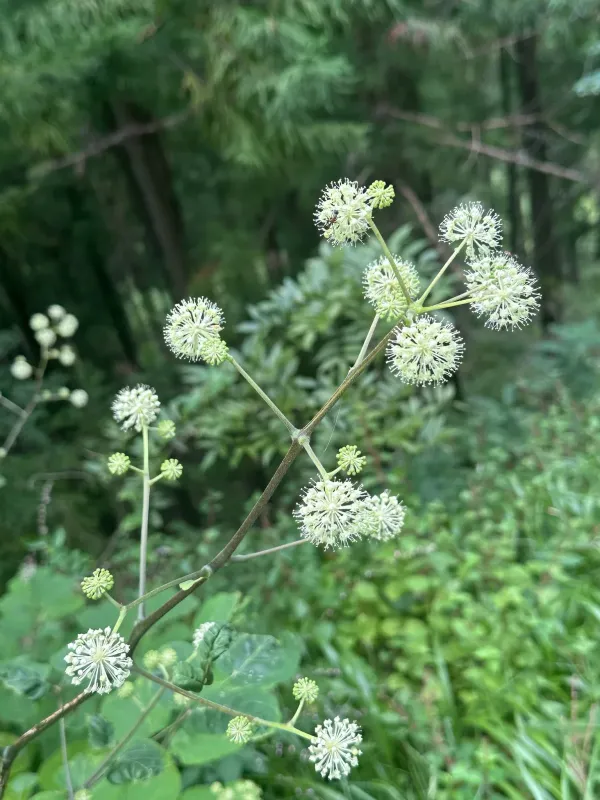
Description
Sowing dates
Sowing Aralia cordata seeds is best performed in the late autumn, as the seeds require a prolonged period of cold stratification to break dormancy. A sowing period in October or November is typically recommended for optimal results.
If spring planting is preferred, seeds must be artificially stratified for several months at temperatures between 1 and 5 degrees Celsius before sowing. Seeds should be planted at a shallow depth of 1 to 2 centimeters in well-draining soil.
Seedlings exhibit slow growth during their first year. It is crucial to maintain weed-free conditions and consistent moisture levels to ensure the survival and development of the young plants in the nursery stage.
Commercial growers often prefer greenhouse propagation to establish uniform stands. Once the seedlings are robust enough, they are transplanted into open fields, ensuring adequate spacing between rows.
Standard planting density requires approximately 60–70 centimeters between rows and 40–50 centimeters between plants within the row, which allows for sufficient root space and canopy development.
Growing requirements
Aralia cordata, a member of the Araliaceae family, thrives in fertile, loamy, and well-drained soils with a neutral pH. It is sensitive to waterlogging, so choosing a site with excellent drainage is paramount to prevent root rot.
The plant prefers partial shade and protection from strong, desiccating winds. In nature, it often grows on forest edges, so providing similar environmental conditions on a farm will yield the best growth results.
Adequate soil moisture must be maintained throughout the growing season. The species is relatively hardy and can tolerate cold winters, making it suitable for temperate climates with proper winter protection or mulch.
Incorporating organic matter such as compost or well-rotted manure during site preparation enhances soil fertility. Regular mulching is highly beneficial as it suppresses weeds and maintains a stable soil temperature.
As a perennial herb capable of reaching significant heights, space management is essential. Proper planning of the layout ensures that the plants can flourish for several years without the need for frequent relocation.
Yield
The primary agricultural interest in Aralia cordata lies in its young shoots, which are consumed as a gourmet vegetable known as "Udo." The shoots are highly valued in East Asian cuisine for their crisp texture and unique aroma.
The root system is also harvested for its medicinal properties, particularly as an adaptogen. Commercial harvesting of roots is typically conducted after 3 to 4 years of growth to allow sufficient accumulation of biomass.
Growers often use the "blanching" technique, covering the emerging shoots with soil or opaque materials to produce tender, white stems that command a higher market price compared to green shoots.
Effective yield management involves consistent fertilization and the removal of competing weeds. Regular rejuvenation of the plantation ensures stable productivity and minimizes the risk of yield decline over time.
By optimizing cultural practices, farmers can secure a sustainable income from both the vegetable produce and the medicinal raw materials derived from the roots of the Udo plant.
Main diseases and pests
Fungal pathogens are the primary threats to Aralia cordata, especially in conditions of high humidity and poor air circulation. Root rot remains the most serious concern for growers in waterlogged soils.
Pests such as spider mites and aphids may infest the foliage during hot and dry spells. Integrated pest management strategies, including regular field scouting, are essential to keep populations below economic injury levels.
Wireworms can cause significant damage to the root system, leading to stunted growth or plant death. Pre-planting soil treatments and crop rotation help mitigate the risk of soil-borne pest outbreaks.
Avoid over-fertilizing with nitrogen, as this encourages succulent growth that is more susceptible to insect attack and fungal infections. A balanced nutritional program is key to maintaining a robust plant immune system.
Sanitation practices, including the removal of infected plant debris and effective weed control, serve as the first line of defense, reducing the reliance on chemical pesticides in the crop management plan.
Harvesting
Young shoots are harvested in the spring when they reach a height of 15–20 centimeters. The stems are cut carefully near the ground level, ensuring that the primary crown remains intact for future regeneration.
Medicinal root harvesting occurs in late autumn, following the end of the growing season. This is when the concentration of bioactive secondary metabolites in the roots is at its highest level.
After harvesting, roots must be thoroughly cleaned of soil and debris. Drying should be conducted in temperature-controlled environments, not exceeding 50 degrees Celsius, to preserve the chemical potency of the roots.
Proper storage is essential to maintain product quality. Dried roots should be stored in breathable, moisture-proof containers in a cool, dark, and well-ventilated area to prevent degradation or mold growth.
Sustainable harvesting practices, such as leaving a portion of the root system undisturbed, allow for the natural recovery of the plantation, supporting long-term productivity and soil health.