
Sauromatum venosum
Sauromatum venosum
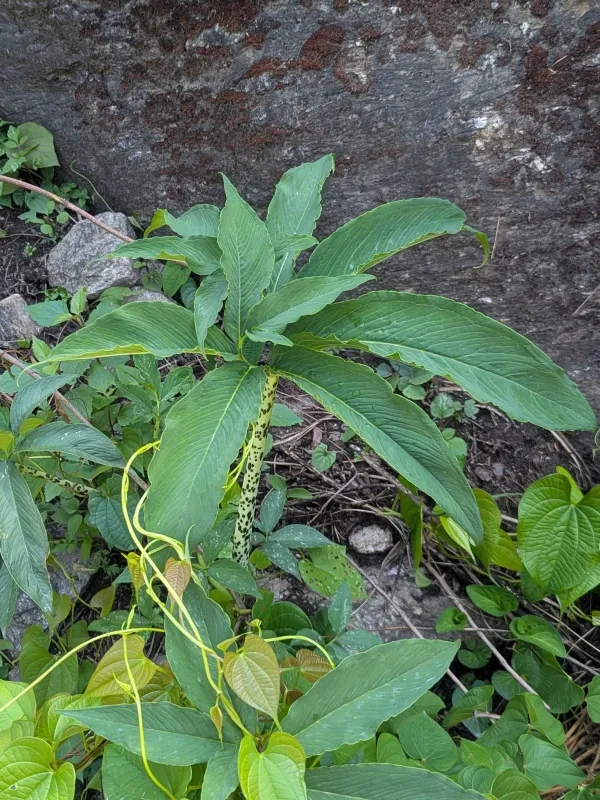
Description
Sowing dates
Sauromatum venosum is a unique tuberous plant belonging to the Araceae family. In temperate regions, tubers should be planted outdoors in spring once the soil temperature consistently stays above 15 degrees Celsius.
For successful growth, select a planting site with loose, well-draining soil rich in organic matter. Proper soil preparation is essential to prevent water accumulation, which is the primary cause of tuber rot in this species.
Plant the tubers at a depth of approximately 5 to 10 centimeters, ensuring that the main bud is oriented upwards. If planting in containers, use a porous, nutrient-dense potting mix to ensure optimal growth.
The plant demonstrates a remarkable biological cycle where the flower (spadix) often appears before the leaves. Understanding this cycle helps in timing the planting to ensure the foliage develops correctly after flowering.
Early spring planting allows the plant to take full advantage of the growing season. In areas with short summers, starting tubers indoors in pots can help them reach maturity before the first autumn frosts.
Growing requirements
Sauromatum venosum thrives in partial shade or filtered sunlight. Intense, direct sun during the afternoon can scorch the large, attractive leaves, so provide a location that mimics the natural forest floor environment.
Watering needs are high during the peak growing season. The soil must be kept consistently moist but never waterlogged. Excellent drainage is non-negotiable to ensure the health of the tuber and root system.
The ideal temperature range for active growth is between 20 and 28 degrees Celsius. The plant is sensitive to cold, so it must be protected from any frost or sudden drops in temperature during the active growth phase.
Nutrient requirements include regular fertilization with a balanced liquid fertilizer during the height of the summer. This supports the development of the large, palm-like foliage that characterizes the plant.
Humidity management is beneficial for maintaining leaf health. In dry climates, misting the air around the plant or placing it in a sheltered, humid corner will promote faster development of the foliage canopy.
Main diseases and pests
The most common threat is fungal and bacterial rot of the tubers, typically caused by overly wet soil conditions or poor aeration. Prevention involves ensuring proper drainage and avoiding excess water during dormancy.
Pests such as aphids and spider mites can infest the foliage, particularly in warm and dry conditions. Regular inspections are necessary to detect these pests early and apply appropriate control measures if required.
Leaf spot diseases, often caused by stagnant humidity, can damage the aesthetics of the leaves. Improving air circulation around the plants is an effective cultural practice to reduce the incidence of these fungal infections.
Slugs and snails may attack the young, tender growth as it emerges from the soil. Protecting the plant with organic barriers or bait during the early spring stage can prevent significant damage to the foliage.
Systemic insecticides should be used sparingly and only as a last resort. Biological controls, such as introducing predatory insects or using horticultural oils, are generally preferred for maintaining plant health.
Harvesting
Harvest the tubers in autumn after the foliage has naturally yellowed and withered. This process ensures that the plant has retracted its energy back into the storage organ for the upcoming winter dormancy.
Carefully lift the tubers from the ground using a garden fork to avoid damaging the skin. Any mechanical injury to the tuber can act as an entry point for opportunistic rot-causing microorganisms during storage.
Clean the tubers of excess soil and allow them to cure in a dry, shaded area for several days. Proper curing strengthens the skin and prepares the plant for the long winter storage period.
Store the dormant tubers in a cool, dark, and dry location. Using packing materials like dry peat or wood shavings helps regulate humidity and prevents the tubers from dehydrating too rapidly.
Maintain storage temperatures between 10 and 15 degrees Celsius. Periodically check the stored tubers to remove any that show signs of decay, ensuring the health of the collection remains intact until next spring.