
Physospermum cornubiense
Physospermum cornubiense
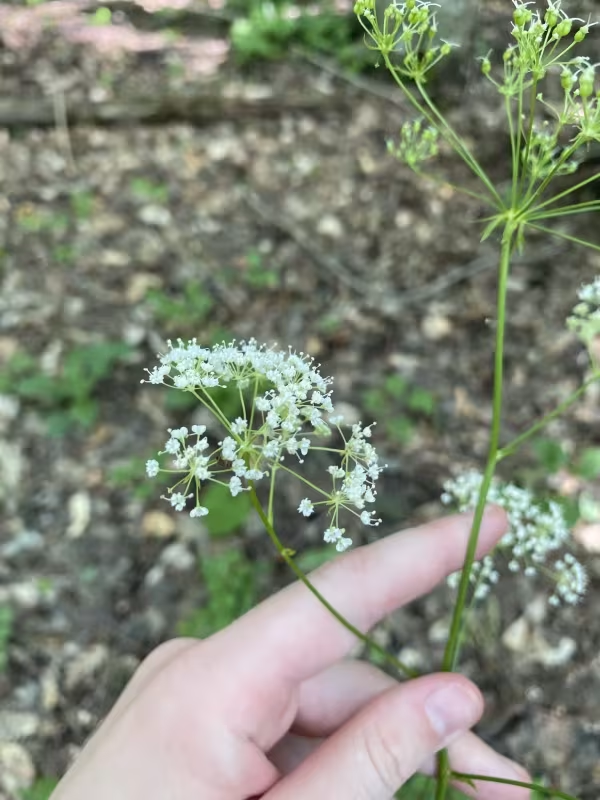
Description
Sowing dates
Physospermum cornubiense is a perennial herb belonging to the Apiaceae family. In agricultural practices, it is typically propagated from seeds. The seeds require a period of stratification to overcome dormancy, making late autumn or early spring the most suitable time for sowing.
The optimal soil temperature for germination is between 10 and 15 degrees Celsius. Sowing is usually performed in rows with a distance of 40 to 50 centimeters between plants to allow for sufficient spread of the basal leaves and to minimize competition for resources.
The seeds should be covered with a thin layer of fine soil, approximately 1 to 2 centimeters deep. Maintaining consistent moisture throughout the germination period is critical, as the seeds are sensitive to desiccation once the germination process has begun.
Given the slow initial growth rate of Physospermum cornubiense, starting seeds in a controlled nursery environment before transplanting them to the field is a common method for ensuring better establishment and uniform stand density.
Weed management during the early growth phase is essential, as the young seedlings are not robust enough to compete with fast-growing invasive weeds in the field environment.
Growing requirements
This species thrives best in well-drained, fertile soil with a slightly acidic to neutral pH. It is particularly suited to loamy soils that provide a balance between water retention and aeration, which is vital for the health of its taproot system.
In terms of light exposure, Physospermum cornubiense prefers partial shade or dappled sunlight. It does not tolerate intense, direct solar radiation well, which can lead to leaf scorch and reduced vitality in hot summer conditions.
The plant requires moderate water throughout the growing season. Consistent soil moisture is important, but farmers must avoid waterlogged conditions, which significantly increase the risk of root rot and other fungal pathogens.
Climate-wise, it is relatively hardy but prefers temperate conditions without extreme heat or frost. Providing protection during exceptionally cold winters can improve the survival rate of established plants in colder agricultural zones.
Regular cultivation and loosening of the soil surface between rows help maintain proper aeration, which supports root respiration and prevents the soil from becoming overly compacted after heavy rainfall.
Main diseases and pests
Common diseases affecting Physospermum cornubiense include powdery mildew, which often appears in stagnant, humid environments. Ensuring adequate air circulation between plants is the primary cultural practice to mitigate this risk.
Pest threats include aphids, which frequently target the soft, emerging leaves and flower buds. Infestations should be managed early with insecticidal soaps or biological controls to prevent the sap-sucking insects from weakening the entire plant.
Root rot is a critical threat that usually arises due to poor soil drainage. If the plant shows signs of wilting despite moist soil, it is often a sign of subterranean fungal activity necessitating an immediate check of drainage conditions.
Integrated Pest Management (IPM) is strongly recommended for this crop. This involves monitoring for early symptoms, removing infected plant matter promptly, and encouraging beneficial insects that naturally predate on aphids and mites.
Crop rotation remains the best defense against soil-borne pathogens. Rotating away from Apiaceae family crops for at least four years prevents the build-up of host-specific diseases in the soil environment.