
Peucedanum ruthenicum
Peucedanum ruthenicum
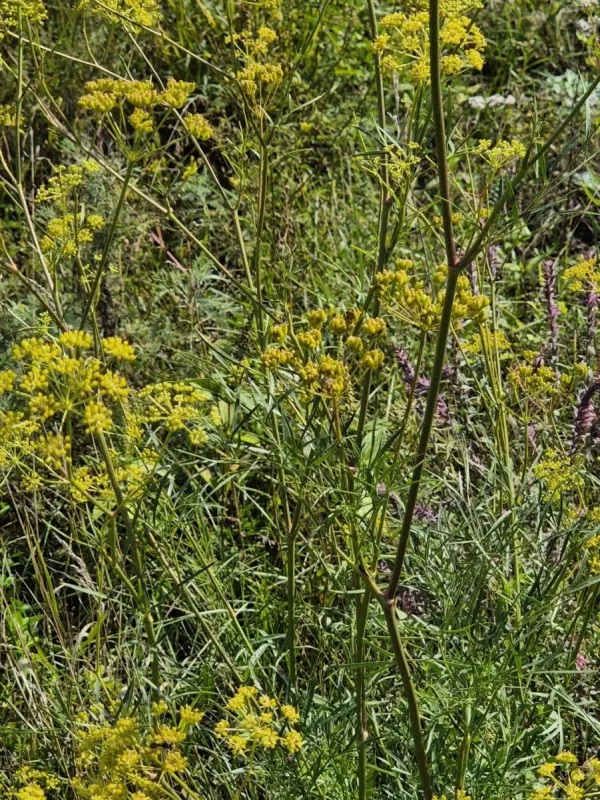
Description
Sowing dates
Sowing of Peucedanum ruthenicum is best performed in late autumn or early spring to leverage natural stratification of seeds. Consistent seed-to-soil contact is essential for uniform germination, which can be somewhat slow for this species.
Seeds should be sown at a shallow depth of 1–2 centimeters, as they possess limited energy reserves for deep emergence. Row spacing of 45–60 centimeters is recommended to facilitate future inter-row cultivation and weed control measures.
Weed management during the early establishment phase is critical, as the young seedlings are delicate and grow slowly at first. Using high-quality, pre-treated seeds can significantly improve initial plant density and overall yield potential.
The sowing rate should be carefully calibrated based on local environmental conditions and the intended density of the plantation. As a perennial crop, correct spacing at planting ensures long-term productivity and reduces competition between plants.
Strategic timing of sowing according to regional moisture patterns helps in ensuring success. In many cases, pre-winter sowing is preferred to ensure that seeds germinate as soon as spring temperatures allow, leading to stronger plants.
Growing requirements
Peucedanum ruthenicum is well-adapted to moderate climatic conditions, showing resilience against frost and temporary moisture deficits. It thrives in open, sunny locations where light exposure is maximized throughout the growing season.
The crop requires fertile, well-drained soils, ideally sandy loams or silt-rich chernozems. Alkaline or neutral soil pH levels are preferred to ensure optimal nutrient uptake and root development for this member of the Apiaceae family.
Adequate soil aeration is a key requirement, as the roots are sensitive to waterlogging. Avoiding low-lying areas or heavy, clayey soils that tend to accumulate water is essential for the long-term health of the crop.
While the plant is drought-tolerant, supplemental irrigation during peak growth phases can significantly increase biomass and the concentration of essential compounds. Irrigation scheduling should focus on maintaining consistent soil moisture levels.
Field maintenance involves periodic soil loosening and careful fertilization management. Soil tests should guide nutrient applications, ensuring that nitrogen, phosphorus, and potassium levels are balanced for the specific growth stage of the plant.
Main diseases and pests
Fungal pathogens such as powdery mildew represent a significant threat to Peucedanum ruthenicum, especially during humid or rainy periods. Improving air circulation around the plants is an effective preventive measure.
Root rots are frequently associated with poor drainage or excessive soil moisture. Proper site selection and careful irrigation practices are fundamental in minimizing the risk of developing soil-borne diseases that can destroy a stand.
Pests like aphids and various species of umbellifer-feeding insects can cause damage to leaves and floral parts. Regular field scouting is necessary to detect infestation early and apply appropriate integrated pest management strategies.
Wireworms and other soil-dwelling larvae can attack the root system, causing plant wilting and secondary infections. Pre-plant soil treatments and maintaining a robust crop rotation schedule help reduce the pressure from these soil pests.
Sanitation practices, such as the removal and destruction of crop residues after harvest, are essential to break the infection cycle of various diseases. Maintaining a clean field environment is critical for high-quality production.
Harvesting
Harvesting the aerial parts of Peucedanum ruthenicum should be done at peak flowering to maximize the concentration of beneficial secondary metabolites. This timing ensures that the plant material meets pharmaceutical or high-quality dietary standards.
Roots are harvested after the plant has reached maturity, usually in the second or third year of growth, during autumn or early spring. This allows the root to accumulate the highest possible nutrient stores before dormancy.
Mechanical harvesting equipment must be set to the appropriate depth to prevent breakage and damage to the roots. Washing the roots shortly after harvest is a necessary step to remove dirt and debris before moving to the drying facility.
Effective drying is a major post-harvest priority, requiring controlled temperatures and good airflow to retain volatile organic compounds. Exposing the material to direct sunlight should be avoided to prevent the degradation of heat-sensitive oils.
Proper storage in dry, cool, and dark conditions ensures the stability of the harvested raw material over time. Following these standardized procedures guarantees the commercial value of the crop in various industrial applications.