
Phlojodicarpus sibiricus
Phlojodicarpus sibiricus
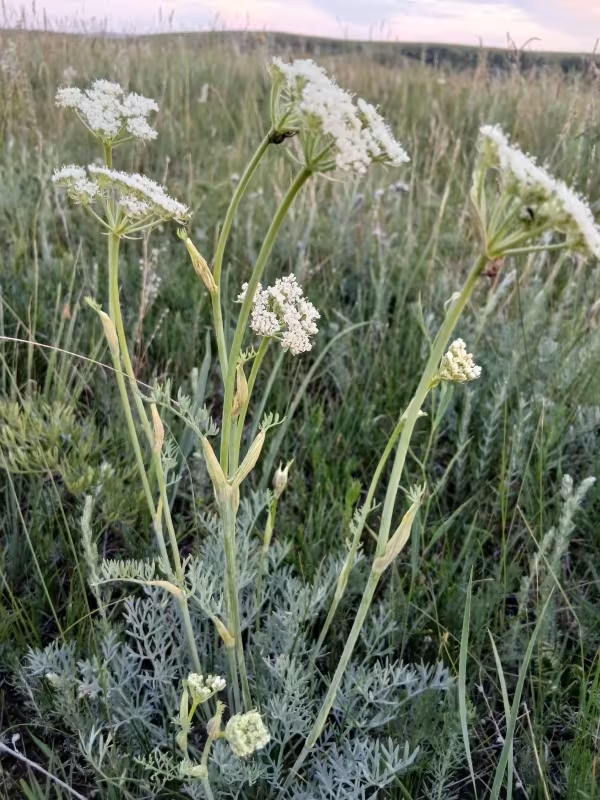
Description
Sowing dates
Sowing Phlojodicarpus sibiricus is ideally performed in late autumn to allow the seeds to undergo natural stratification, which is critical for successful spring germination.
If spring sowing is preferred, the seeds must be subjected to a cold pre-treatment phase at low temperatures for at least two to three months to break dormancy.
Seeds should be placed at a shallow depth of approximately 1 to 2 centimeters to ensure they have enough oxygen for the initial growth stages.
Maintaining a row spacing of 45 to 60 centimeters provides enough space for weed control and equipment movement during the active vegetation period.
Proper soil compaction after sowing is essential to ensure that the small seeds maintain contact with moisture, which is the primary driver of germination success.
Growing requirements
As a cold-hardy species native to harsh environments, this plant thrives in regions with significant temperature fluctuations and long, cold winters.
The crop prefers well-drained, fertile sandy loam or loamy soils, as it is extremely sensitive to waterlogging, which can lead to root rot.
Phlojodicarpus requires high light intensity for optimal growth, so it should be planted in fully open areas away from shadows cast by trees or buildings.
The optimal pH range for this species is slightly acidic to neutral; maintaining this balance is crucial for efficient nutrient uptake from the soil.
Deep cultivation of the soil prior to planting is recommended to allow the taproot, which is the main harvested part, to grow straight and develop properly.
Yield
The productivity of this medicinal crop is primarily evaluated by the biomass of the roots, which are the main source of bioactive compounds.
Harvestable yields typically stabilize by the third or fourth year of growth, as the roots reach their full maturity and accumulate necessary active substances.
Intensive cultivation practices can lead to yields of approximately 0.8 to 1.2 metric tons of dried roots per hectare under ideal growing conditions.
The plant density should be carefully managed to avoid resource competition; typically, 15 to 20 plants per square meter represent the ideal population.
Total yield is highly dependent on the quality of the initial crop establishment and the control of weed pressure during the first growing season.
Main diseases and pests
Soil-borne pests like wireworms pose a significant threat to young plants, as they often target the root systems, leading to severe damage or plant death.
In humid or stagnant air conditions, the plant is susceptible to fungal infections such as powdery mildew, which can significantly reduce foliage vitality.
Strategic crop rotation is strongly recommended to minimize the buildup of pests and diseases associated specifically with the Apiaceae plant family.
Weed interference is the most significant threat during the first year of establishment, as the seedlings are small and grow slowly compared to many annual weeds.
Monitoring for insect pests, particularly those targeting the flowers, is necessary if the goal is to produce a high-quality seed crop for subsequent seasons.
Harvesting
Harvesting usually occurs at the end of the second or third growing season when the aerial parts begin to senesce and nutrients relocate into the roots.
Using specialized plows or root-harvesting equipment allows for efficient extraction of the taproots while minimizing structural damage to the harvested material.
Once harvested, roots must be immediately cleaned of soil particles, washed with water, and trimmed of all aerial foliage and damaged segments.
Drying is performed in climate-controlled environments or well-ventilated sheds at temperatures below 50 degrees Celsius to prevent the loss of therapeutic oils.
After reaching a moisture content of less than 14 percent, the product should be stored in cool, dark, and dry conditions to maintain its shelf life and potency.