
Glehnia littoralis
Glehnia littoralis F. Schmidt ex Miq.
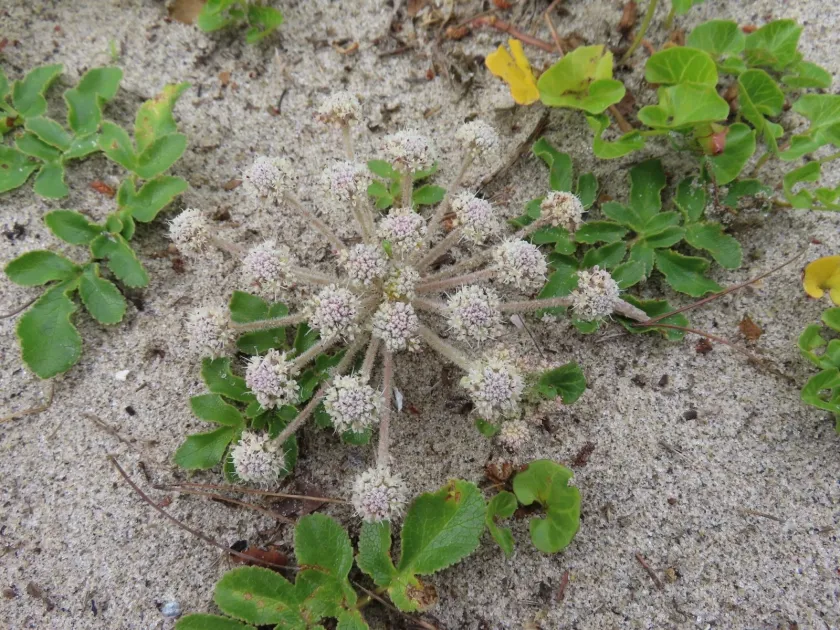
Description
Sowing dates
Glehnia littoralis is propagated primarily through seeds, which exhibit physiological dormancy that requires specific treatments to overcome before sowing.
Fall sowing is the most effective method, as the natural cold temperatures during winter facilitate the necessary stratification process in the field.
For spring planting, seeds must undergo artificial stratification by being placed in moist sand at temperatures between 2 and 5 degrees Celsius for several months.
The seeds should be sown shallowly, about 1-2 cm deep, in a loose, sandy medium that allows for easy emergence of the delicate seedlings.
Adequate moisture must be maintained throughout the germination phase, as dry conditions can quickly lead to seed mortality and poor stand establishment.
Growing requirements
As a member of the Apiaceae family, Glehnia littoralis is naturally adapted to sandy dunes and coastal environments, making it a specialized crop.
The soil must be light, well-draining, and sandy. Any tendency for the soil to retain water or turn into heavy clay will likely lead to root decay and crop failure.
Full solar exposure is critical for the development of Glehnia, as shade inhibits the plant's metabolic activity and reduces the concentration of active medicinal compounds.
While the plant is highly drought-tolerant once established, supplemental irrigation is necessary during the early growth stages to support root development.
The species prefers a neutral to slightly alkaline soil pH, mimicking its native habitat where shell fragments and marine salts influence soil chemistry.
Yield
The primary economic value of Glehnia lies in its fleshy, taproot-like structures, which are harvested for use in traditional herbal medicine and food supplements.
Yield is a function of plant age and growing conditions; roots harvested after 3 to 4 years of growth yield the highest quality and quantity of secondary metabolites.
Good agricultural practices, including proper plant spacing (40-50 cm between plants), ensure that each individual has enough space to develop a high-quality root system.
Regular weeding is essential for maximizing yield, as Glehnia is not a strong competitor and can be easily overwhelmed by faster-growing invasive grasses.
Total yield per area is modest compared to conventional crops, but the high value of the specialized raw material justifies small-scale intensive cultivation.
Main diseases and pests
Root rot is the most significant threat, typically caused by fungi like Phytophthora or Pythium when soil drainage is insufficient or humidity is too high.
The plant is susceptible to the carrot fly, a common pest for Apiaceae, which can tunnel into the roots and render the raw material useless for medicinal purposes.
Powdery mildew can infect the foliage during hot, humid spells, reducing photosynthesis and ultimately slowing down the growth of the storage root.
Aphids may cluster on the floral stalks, though this is less concerning unless the crop is grown specifically for seed production rather than root harvest.
Integrated pest management, focusing on clean seedbeds and proper spacing, is the best strategy to maintain crop health without relying on intensive chemical sprays.
Harvesting
Harvesting usually takes place in the fall, once the vegetative cycle is complete and the above-ground portions begin to yellow and wither.
Roots should be lifted carefully using specialized equipment to prevent breakage, as damaged roots are significantly more prone to rot during the drying process.
Post-harvest handling involves thorough washing to remove sand and grit, followed by rapid air drying in clean, shaded facilities to preserve volatile oils.
Quality control at the harvest stage includes checking for firmness, color, and aroma; the roots should exhibit a characteristic pleasant, slightly spicy scent.
Once dried, the product should be stored in opaque, moisture-proof containers to maintain the chemical integrity of the active ingredients for extended periods.