
Lithraea brasiliensis
Lithraea brasiliensis
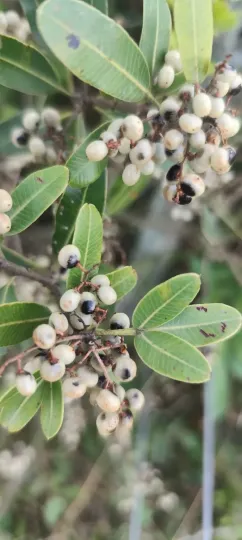
Description
Growing requirements
Lithraea brasiliensis, commonly known in its native regions as Aroeira, is a member of the Anacardiaceae family. This species is native to South America, particularly Brazil, Uruguay, and Argentina, where it thrives in diverse woodland and scrub habitats.
The plant performs best in subtropical climates characterized by warm temperatures and distinct seasonal patterns. It requires well-drained soil types, as excessive moisture in the root zone can trigger physiological stress and invite pathogen growth in the root system.
For optimal growth, the species prefers sunny locations that provide full exposure to natural light, which is essential for the metabolic processes involved in producing secondary metabolites within the leaves and bark. These phytochemicals are the basis of the plant's medicinal value.
Cultivation practices involve proper spacing during planting to ensure adequate airflow between mature specimens. Regular pruning is necessary not only for shaping but also for managing the density of the canopy, which promotes the development of fresh, healthy foliage.
The economic value of this crop is primarily found in the pharmaceutical and natural medicine industries. Research emphasizes the plant's efficacy in treating respiratory conditions and inflammation, leading to controlled plantation efforts in certain regions.
Main diseases and pests
Fungal pathogens represent the most significant threat to Lithraea brasiliensis plantations, particularly those affecting leaves and stems. High relative humidity and poor air circulation are the primary drivers for outbreaks of powdery mildew and necrotic spot diseases.
Insect pests, notably scale insects and aphids, often target the young growth of the plant. These pests feed on plant sap and can significantly weaken the trees if not managed through a combination of manual monitoring and integrated pest management (IPM) strategies.
Root rot is a critical concern, especially in heavy or clay-rich soils where drainage is insufficient. Ensuring proper soil structure and applying fertilizers in accordance with soil test results are essential measures to maintain the tree's vigor and immunity.
Environmental stress, such as extreme heatwaves coupled with drought, can make the trees more susceptible to wood-boring insects. Providing supplemental irrigation during prolonged dry spells helps keep the trees healthy and less attractive to secondary pests.
Standard agronomic protocols for this crop involve periodic inspection of both the upper and lower surfaces of the leaves. Early detection of any irregular spots or insect clusters is vital to prevent the spread of diseases within the plantation area.