
Lithraea aroeirinha
Lithraea aroeirinha
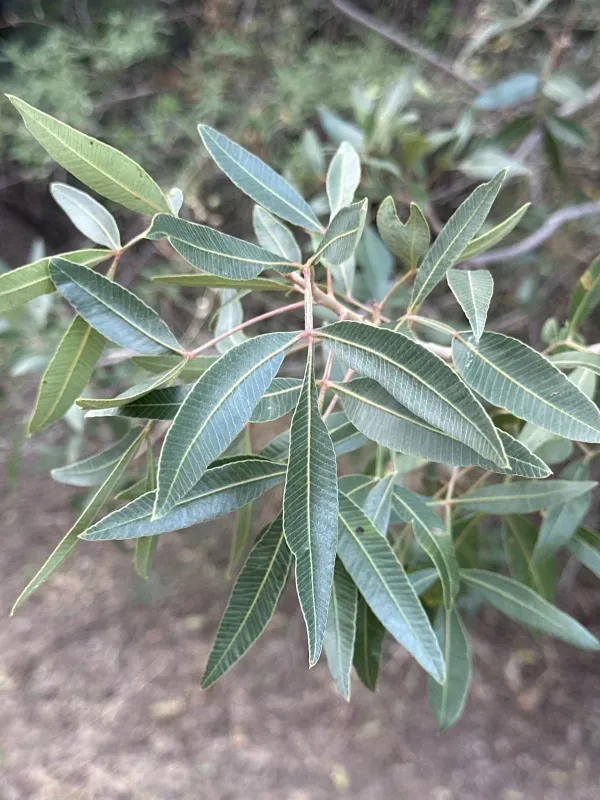
Description
Growing requirements
Lithraea aroeirinha is a perennial tree species belonging to the Anacardiaceae family. It is native to South American ecosystems, specifically within the Cerrado and Atlantic forest biomes.
The species is well-known for its exceptional adaptation to dry environments. It thrives in well-drained soils and prefers locations with high solar exposure, which facilitates its robust growth.
In terms of pedology, it prefers rocky or sandy soils where water does not accumulate. Poor drainage is a significant constraint for the successful establishment of this species.
The climate requirements include a distinct seasonal cycle. While it is highly drought-tolerant, young seedlings need protection from harsh weather conditions during their early developmental stages.
Planting efforts often focus on restoring degraded lands, as this tree contributes significantly to the soil stabilization due to its deep root system.
Main diseases and pests
Young plantations are vulnerable to defoliating insects and lepidopteran larvae. Monitoring for these pests is essential during the rainy season when vegetation is lush.
Fungal pathogens such as anthracnose can affect the foliage if plants are overcrowded or if there is excessive humidity in the nursery environment.
Root rot is a common issue in poorly drained substrates. Avoiding waterlogged conditions is the best preventive measure against soil-borne diseases.
Small mammals and rodents may cause damage to the bark of young saplings, often requiring physical barriers or guards during the first two to three years.
Maintaining a diverse landscape and implementing integrated pest management (IPM) practices help minimize the risk of severe infestations.
Harvesting
The primary economic value of Lithraea aroeirinha lies in its extremely dense and decay-resistant wood. It is commonly used for heavy-duty outdoor structures, poles, and high-quality timber products.
Bark and leaves are harvested for their pharmacological properties, as they contain secondary metabolites used in traditional herbal medicine.
Harvesting of seeds is done manually once the fruits have reached full maturity. Careful selection is required to ensure high germination rates for nursery production.
The timber harvest must be managed sustainably, considering the tree's slow growth rate compared to commercial softwoods.
Integrating this tree into agroforestry systems provides farmers with long-term benefits, including windbreaks and the production of non-timber forest products.