
Microcnemum coralloides
Microcnemum coralloides
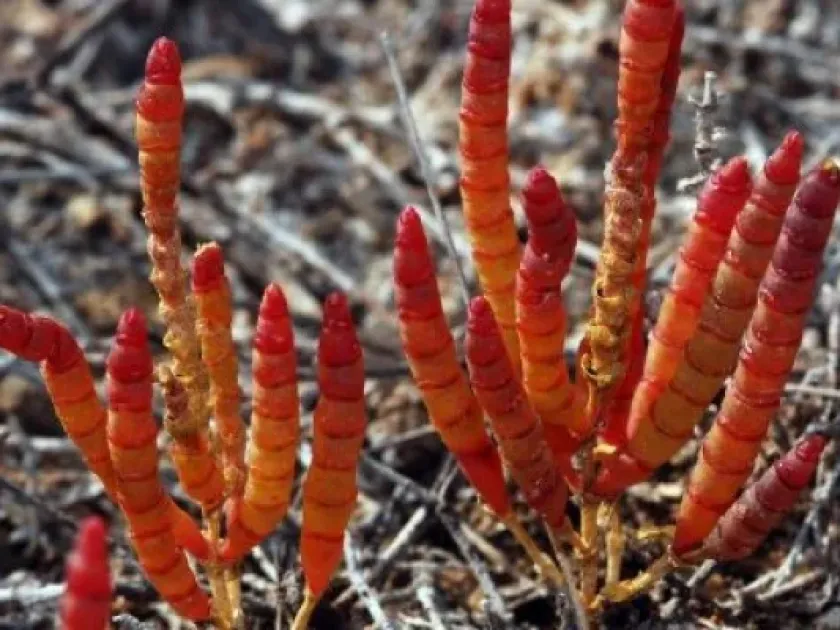
Description
Growing requirements
Microcnemum coralloides is a unique annual herbaceous plant belonging to the Amaranthaceae family. It is recognized as a specialized halophyte, capable of thriving in soil conditions that are toxic to the majority of standard agricultural crops.
The botanical structure of the plant is defined by its succulent, jointed stems that exhibit a distinct coral-like appearance. This adaptive morphology facilitates water retention and allows the plant to survive in arid, high-salt environments where moisture is scarce.
The native habitat includes salt marshes, salt flats, and coastal areas with extremely high sodium concentrations. It plays a crucial role in the biodiversity of these fragile ecosystems by stabilizing the soil surface and preventing wind erosion.
Climatic requirements are centered around hot, arid conditions with high light intensity. The plant is perfectly suited for regions with extreme seasonal temperature fluctuations and minimal precipitation, making it a candidate for challenging agricultural environments.
From a technical standpoint, Microcnemum coralloides is primarily valued for land remediation purposes. It acts as an effective phytomeliorator, helping to manage saline soils by incorporating organic matter and improving the physical properties of the crust in salt-affected territories.