
Meadow goosefoot
Chenopodium pratericola
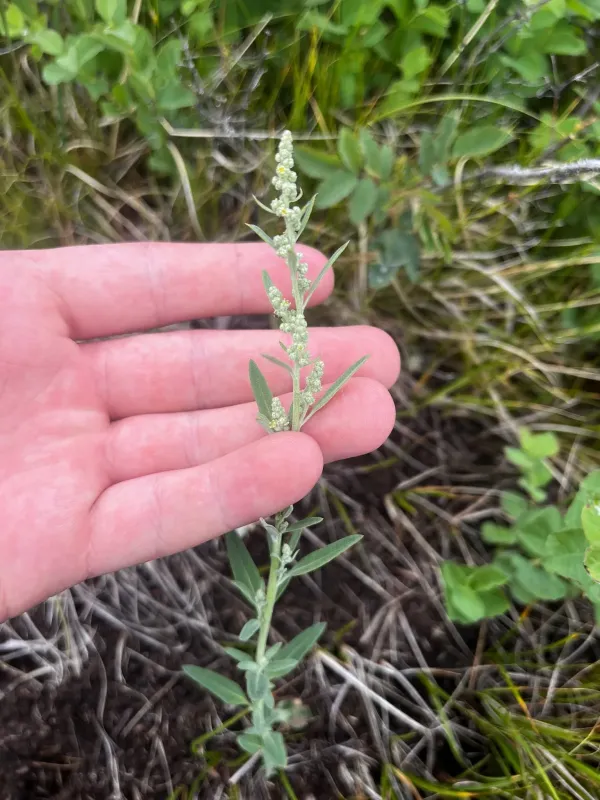
Description
Growing requirements
Meadow goosefoot (Chenopodium pratericola) is an annual herbaceous plant belonging to the Amaranthaceae family. It is recognized for its adaptive nature, allowing it to thrive in diverse environments, often colonizing disturbed soils and field margins across its native distribution range.
The plant demonstrates a strong preference for sunny locations and well-drained soil types. It is highly resilient to varying climate conditions but flourishes primarily in temperate regions where it can utilize seasonal precipitation for rapid vegetative growth during the summer months.
Soil requirements for optimal development include high nutrient availability, particularly nitrogen, and a neutral to slightly alkaline pH. While it is hardy, excessive competition from surrounding vegetation can inhibit its development, making spacing a critical factor in any cultivation efforts.
Agronomic management of this species involves careful site preparation to ensure germination uniformity. As the plant is known for its prolific seed production, managing the timing of growth stages is essential to control its spread in agricultural landscapes.
In a хозяйственном context, meadow goosefoot has been investigated for potential forage use due to its biomass production, although its status as a frequent weed remains its primary agricultural profile. Proper soil management can enhance its role as a cover crop component.
Main diseases and pests
Common diseases affecting meadow goosefoot include downy mildew and various leaf spot fungi, which are particularly prevalent during periods of prolonged damp weather. These pathogens can cause significant defoliation if not managed through proper canopy aeration.
Key pests include the beet tortoise beetle and various species of leaf miners that thrive on Amaranthaceae hosts. These pests can significantly impact photosynthetic efficiency, leading to stunted growth and lower biomass yield.
Integrated pest management (IPM) strategies, including crop rotation and the use of targeted biological controls, are recommended to mitigate the impact of these pests without relying heavily on chemical pesticides.
Mechanical cultivation remains an effective method for controlling dense populations. Regular inter-row tilling helps disturb the root systems of juvenile plants before they reach their reproductive stage, ensuring cleaner field conditions.
Early-season scouting is highly advised to identify potential pest outbreaks. Monitoring for signs of feeding damage on lower leaves can provide early indicators for necessary intervention, especially in commercial agricultural settings.