
Cyathula achyranthoides
Cyathula achyranthoides (Kunth) Moq.
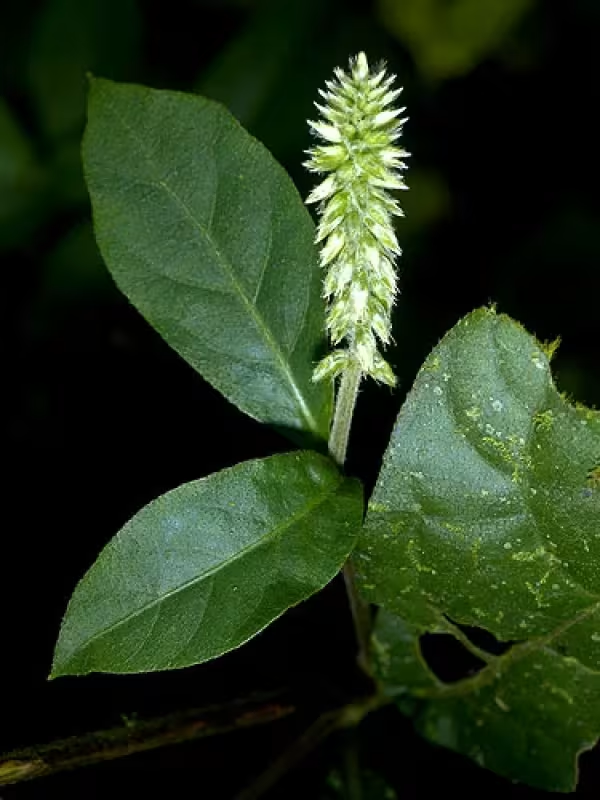
Description
Sowing dates
The sowing period for Cyathula achyranthoides primarily coincides with the onset of the rainy season in tropical climates, which provides the necessary moisture for germination. The optimal soil temperature for seed sprouting is between 22 and 25 degrees Celsius.
When grown in greenhouse conditions, seeds should be sown in a light, porous soil mix at a depth of no more than one centimeter. Shallow sowing ensures that the seeds receive enough oxygen, which is critical for healthy initial development.
Seedlings typically emerge within 10 to 14 days after planting. It is essential to maintain consistent moisture levels during this period while avoiding waterlogging, which could cause seed rot or damping-off.
Transplanting seedlings to a permanent location is best performed when they have developed two or three pairs of true leaves. Proper spacing of 30 by 40 centimeters allows each plant sufficient room to grow and ensures adequate airflow.
Supplemental lighting may be required for indoor cultivation to achieve at least 12 hours of light per day. Consistent light exposure prevents the seedlings from becoming leggy and promotes a robust, compact growth habit.
Growing requirements
Cyathula achyranthoides belongs to the Amaranthaceae family, which is known for its resilience and adaptability in various environments. The plant naturally occurs in tropical regions of Central and South America, often thriving in disturbed habitats.
The plant requires high light intensity for optimal growth, as shading significantly reduces biomass production and the synthesis of active medicinal compounds. Full sun or bright, filtered light is ideal for its development.
Rich, well-draining loam soils with a neutral pH level are preferred for this species. Poor drainage can lead to root system decay, particularly in areas where rainfall is frequent or constant irrigation is applied.
Temperatures should consistently remain between 20 and 30 degrees Celsius. Cyathula achyranthoides is highly sensitive to cold, and frost will cause rapid deterioration of the plant's aerial parts, making it an annual in cooler regions.
Fertilization with organic compost or balanced NPK fertilizers during the vegetative stage helps sustain rapid growth. Providing essential nutrients is particularly important if the crop is being harvested for its pharmaceutical properties.
Main diseases and pests
Fungal diseases, specifically powdery mildew, pose a significant threat during periods of high humidity. Improving air circulation around the plants and avoiding overhead irrigation can help mitigate the risk of infection.
Root rot pathogens, such as Fusarium, can affect the crop when soil drainage is insufficient. Strict sanitation of the soil and tools before planting is a fundamental preventive measure for managing these persistent fungal issues.
Pests like aphids and spider mites are common in dry environments. Monitoring the undersides of leaves for signs of infestation is recommended, as these pests can weaken the plant and reduce its medicinal quality significantly.
Defoliating caterpillars can also cause substantial damage to the leaves. Integrated pest management, including the use of neem oil or other biological controls, is often sufficient to manage these infestations without harming the plant's chemical profile.
Maintaining a clean growing area by weeding surrounding plants prevents the buildup of pests and diseases. Healthy, well-nourished plants are generally more capable of recovering from minor pest damage during the season.