
Aphanisma blitoides
Aphanisma blitoides
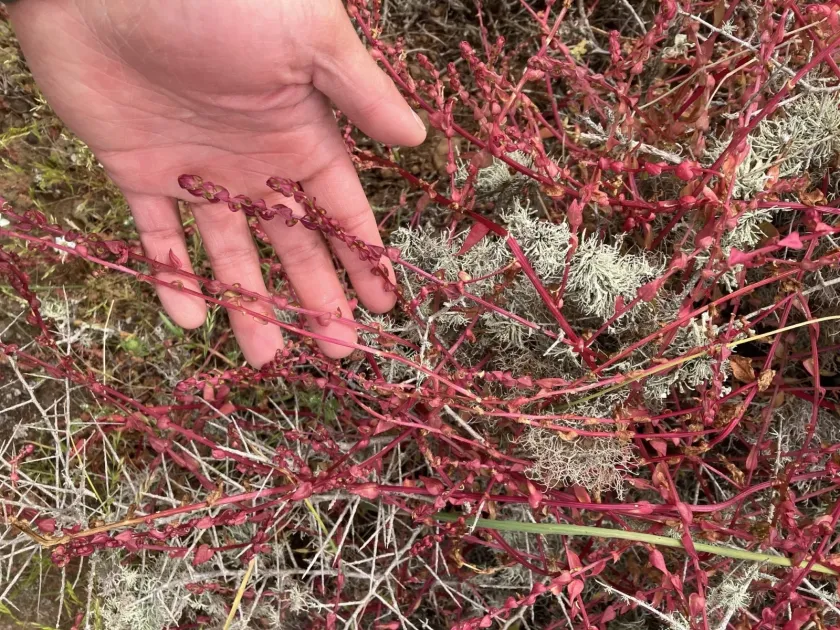
Description
Sowing dates
Aphanisma blitoides is an annual herb whose life cycle is closely synchronized with winter and spring rainfall patterns. In its native habitat, seed germination typically occurs during cooler, moister months of the year.
Cultivation requires careful handling of seeds, which should be sown in well-drained, sandy soil. Planting depth is critical and should be kept shallow, generally around 0.5 to 1 centimeter, to ensure successful emergence.
Optimal spacing is necessary to minimize competition between individual plants. If sown too densely, seedlings will struggle to develop their full potential, leading to weak growth and increased susceptibility to stress.
Temperature control during the sowing phase is essential. Maintaining a stable range between 15 and 20 degrees Celsius encourages vigorous development in the early stages of the life cycle.
Adequate moisture management is required during the germination period. While the plants are drought-tolerant once established, the seeds require consistent hydration to sprout successfully in a controlled environment.
Growing requirements
This species belongs to the Amaranthaceae family. It is a specialized plant primarily native to the coastal sand dunes and islands of California, where it has adapted to specific maritime conditions.
The plant requires sandy, high-drainage soils and is uniquely adapted to saline environments. It thrives in locations with full sun exposure, which is necessary for maintaining the integrity of its succulent-like leaves.
It prefers a Mediterranean-type climate characterized by mild, wet winters and warm, dry summers. The plant is not suited for areas with prolonged freezing temperatures or excessive humidity throughout the growing season.
Soil aeration is a vital factor for the survival of Aphanisma blitoides. Compaction of the soil can lead to root system failure and overall stunted growth, preventing the plant from reaching maturity.
Proper air circulation is required to prevent moisture buildup around the foliage. In indoor or greenhouse settings, active ventilation is recommended to simulate the coastal winds of its natural habitat.
Main diseases and pests
The main threats to the survival of Aphanisma blitoides include habitat loss and the invasion of non-native species. These invasive weeds outcompete the plant for limited resources such as water and space.
Pathogens often target the root system, particularly when the drainage requirements are not strictly followed. Root rot is a common issue caused by waterlogged soil conditions and poor ventilation.
Pests, such as aphids, can attack the young shoots during the spring. Early detection is crucial, as the small size of the plant makes it susceptible to rapid damage from insect infestations.
Climate instability represents a growing threat. Unseasonable frost or drought conditions can significantly reduce the viability of the plant populations in the wild.
- Invasive species competition
- Root rot due to poor drainage
- Aphid infestations
- Environmental habitat degradation