
Drymophila cyanocarpa
Drymophila cyanocarpa
Description
Growing requirements
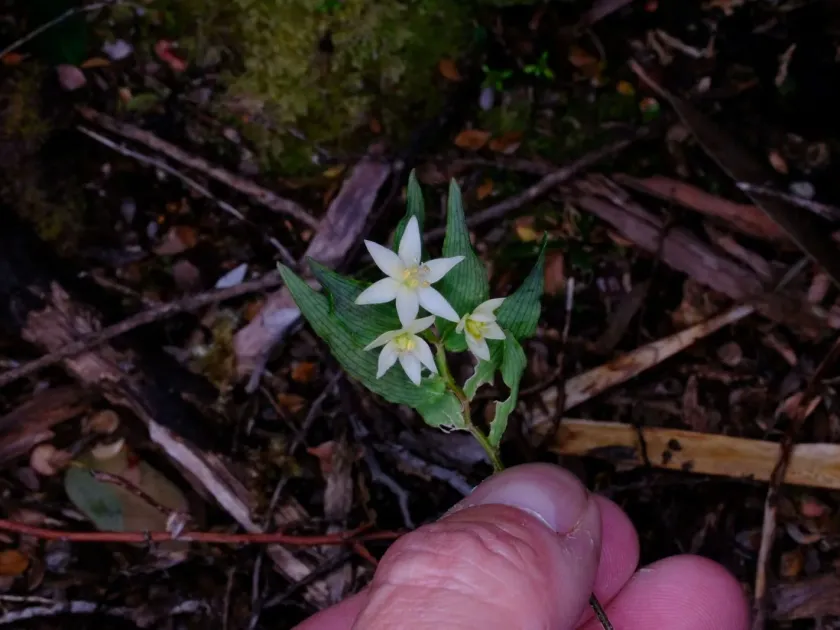
Drymophila cyanocarpa, commonly known as the turquoise berry, is a perennial herb belonging to the Colchicaceae family, native to the temperate forests of Tasmania and eastern Australia.
The plant thrives in cool, shaded environments, typically under dense forest canopies where humidity levels remain consistently high throughout the year.
To cultivate this species successfully, growers must provide a well-drained, acidic soil that mimics the organic-rich composition of natural forest leaf litter.
Botanically, it features delicate, arching stems, alternate leaves, and distinct pendulous flowers that transition into striking, deep blue berries after pollination.
Maintenance of stable environmental conditions is paramount, as the plant is highly sensitive to fluctuations in soil moisture and extreme heat exposure.
Harvesting
The plant serves primarily as an ornamental specimen in botanical collections and specialized gardens rather than a large-scale agricultural commodity.
Harvesting for propagation purposes involves collecting seeds from mature berries or dividing rhizomes during the dormant season, which is typically late autumn.
Successful management requires careful handling of the root system to prevent dehydration, especially when transplanting specimens into nursery containers.
There is no industrial usage for the fruit; however, its visual appeal makes it a valuable asset for niche horticulture and biodiversity conservation efforts.
Growers should monitor for signs of chlorosis, which often indicates an imbalance in soil pH or inadequate micronutrients, commonly seen in potted cultures.