
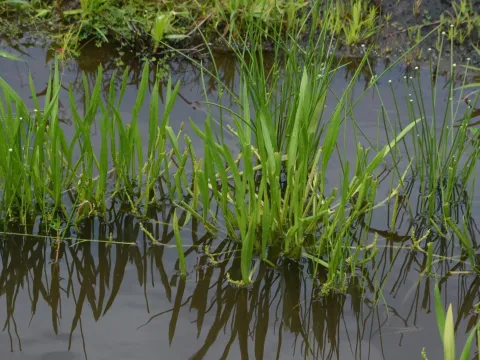
Wiesneria
Wiesneria
Wiesneria is a genus of annual aquatic herbaceous plants belonging to the Alismataceae family. These plants are highly specialized hydrophytes that have evolved to thrive in specific wetland ecosystems.
What the section contains
Wiesneria
The natural range of this genus is primarily located in tropical regions of Africa and India. These plants are typically found in shallow water bodies, seasonal ponds, and flooded areas such as rice paddies, where water levels fluctuate according to rainfall patterns.
Wiesneria requires abundant sunlight and warm water conditions for optimal vegetative development. The preferred temperature range for these plants is typically between +22°C and +30°C, which mirrors the tropical climate of their native habitats.
The ideal substrate for growth consists of silty, nutrient-rich bottom sediments. The plants are sensitive to water quality and chemical run-offs, often serving as indicators of ecological health within their native aquatic environments.
Botanically, Wiesneria is characterized by a root system adapted to soft substrates and a rosette of leaves that emerge near the water surface. The floral structure follows the typical pattern of the Alismataceae family, adapted for efficient reproduction in aquatic settings.