
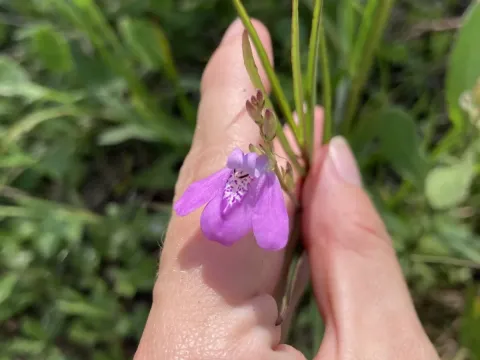
Justicia angusta
Justicia angusta
Justicia angusta is a member of the Acanthaceae family, known for its elegant foliage and unique growth habits. Originally native to tropical regions, this plant requires a stable environment to thrive, mimicking the conditions of its natural habitat where humidity and warmth remain consistent.
What the section contains
Justicia angusta
The soil requirements for successful growth focus on high drainage capacity and nutrient richness. A substrate based on peat or high-quality potting mix with added perlite or vermiculite is ideal to prevent root compaction and ensure proper air circulation around the root system.
Temperature management is a priority, as the plant is sensitive to thermal stress. Maintaining a temperature range between 20°C and 25°C is essential for maintaining health and active physiological processes. Cold drafts or sudden drops in temperature can cause leaf drop and stunted growth.
Lighting should be bright but filtered. While the plant benefits from daylight, exposure to direct midday sun can lead to leaf scorch, damaging the aesthetic value of the specimen. In professional settings, greenhouse shading or orientation toward eastern windows is often recommended for optimal results.
Regular irrigation is a fundamental part of the cultivation process, requiring attention to soil moisture levels. It is vital to avoid waterlogging, which promotes root rot, while ensuring the plant does not experience excessive desiccation between watering sessions throughout the active growing season.
Common pests include spider mites and whiteflies, which thrive in environments with low air humidity and poor ventilation. Monitoring for early signs of infestation, such as webbing or discoloration on the undersides of leaves, is necessary to prevent significant damage to the crop.
Fungal diseases, including stem and root rots, represent the most significant threat to plant longevity. These issues are almost exclusively linked to poor drainage and overwatering, necessitating strict adherence to watering protocols and the application of fungicides when conditions become problematic.