
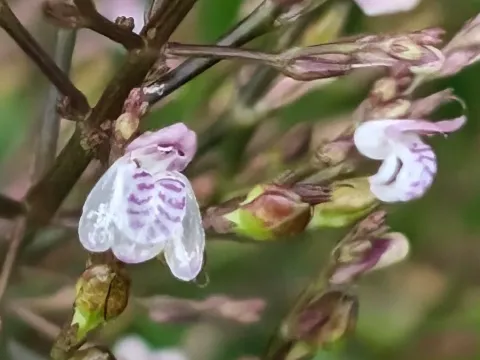
Justicia comata
Justicia comata
Justicia comata, a member of the Acanthaceae family, is a tropical herbaceous plant that thrives in warm and humid environments. Understanding its botanical requirements is the first step toward successful propagation, whether for ornamental or medicinal purposes.
What the section contains
Justicia comata
The sowing process typically begins with high-quality seeds sown in a light, nutrient-rich substrate. Ensuring the substrate is kept consistently moist but not waterlogged is essential for germination, which usually occurs within 10 to 14 days under optimal conditions.
Spacing is a critical agronomic factor for this species. To optimize yields, plants should be spaced to allow for proper airflow, as dense planting can lead to increased humidity around the lower leaves, potentially inviting fungal pathogens.
Seedlings are best prepared in nursery trays before being transplanted to the final site. This approach allows for selective culling, ensuring that only the most robust and healthy specimens are established in the main production area.
The timing of the sowing must align with the local rainy season in tropical climates to minimize the need for supplemental irrigation and to take advantage of natural humidity levels which favor early establishment.
##requirements##The plant requires well-drained, fertile soil with a slightly acidic to neutral pH level. Soil structure should be loose enough to support deep root penetration, which in turn enhances the plant's overall resistance to environmental stressors.
Light intensity is a major factor in the chemical composition of Justicia comata. While the plant can survive in partial shade, moderate exposure to filtered sunlight helps to concentrate active ingredients within the plant tissues, improving quality.
Water requirements are consistently high. Regular irrigation is necessary to prevent wilting, but drainage systems must be efficient to avoid root rot, which is the most common cause of crop loss in this species when grown in heavy clay soils.
Temperature stability is vital for the vegetative cycle of Justicia comata. It flourishes in temperatures ranging from 22 to 28 degrees Celsius, and prolonged exposure to temperatures below 15 degrees Celsius should be strictly avoided.
Nutrition management involves a balanced application of macro and micronutrients. Foliar feeding can be particularly effective during the mid-vegetation stage, providing an immediate boost to the plant's metabolic processes and leaf density.
Root rot, often caused by Pythium or Phytophthora species, is the primary threat to Justicia comata, especially in poorly drained soils. Improving soil aeration through mechanical cultivation or organic amendments is the best preventative strategy.
Pests like aphids and spider mites are frequent visitors, especially in greenhouse conditions. Biological control methods, such as introducing predatory mites or lacewings, are preferred over synthetic insecticides to maintain the quality of the harvested biomass.
Fungal leaf spot diseases can develop if canopy density is too high. Pruning and selective thinning are recommended to ensure that air circulates freely throughout the foliage, keeping the microclimate within the plant stand dry.
Nematodes are a silent threat that can cripple root health, leading to stunted growth. Crop rotation is highly recommended if the land has been previously used for other Acanthaceae species, as this breaks the lifecycle of soil-borne pathogens.
Weed control is necessary during the early stages of growth, as the plant can be sensitive to competition for water and nutrients. Mulching around the base of the plants can help suppress weeds while maintaining soil moisture levels.
Harvesting usually involves the selective picking of leaves and stems, depending on the intended use of the crop. For maximum potency of active compounds, collection should occur during the early morning hours before the sun is at its peak.
The frequency of harvesting depends on the growth cycle and the desired plant maturity. In many systems, harvesting can be done on a staggered schedule, allowing for multiple collection sessions throughout the year without harming the parent plant.
Post-harvest handling is critical to preserve the quality of the raw material. The plant material should be dried in a well-ventilated, shaded environment to prevent the degradation of photosensitive and heat-sensitive components.
Proper storage involves keeping the dried product in airtight containers away from direct light and humidity. This prevents mold formation and the loss of essential oils or bioactive substances that determine the market value of the crop.
Quality control standards during the harvest process should include the removal of any diseased or damaged leaves. Grading the produce immediately after collection ensures a uniform product for subsequent processing or retail distribution.