
Hygrophila balsamica
Hygrophila balsamica
Description
Growing requirements
Hygrophila balsamica is an attractive aquatic plant belonging to the Acanthaceae family. Native to the tropical regions of India and Sri Lanka, it is primarily found in marshy areas and along the banks of freshwater streams and rice paddies.
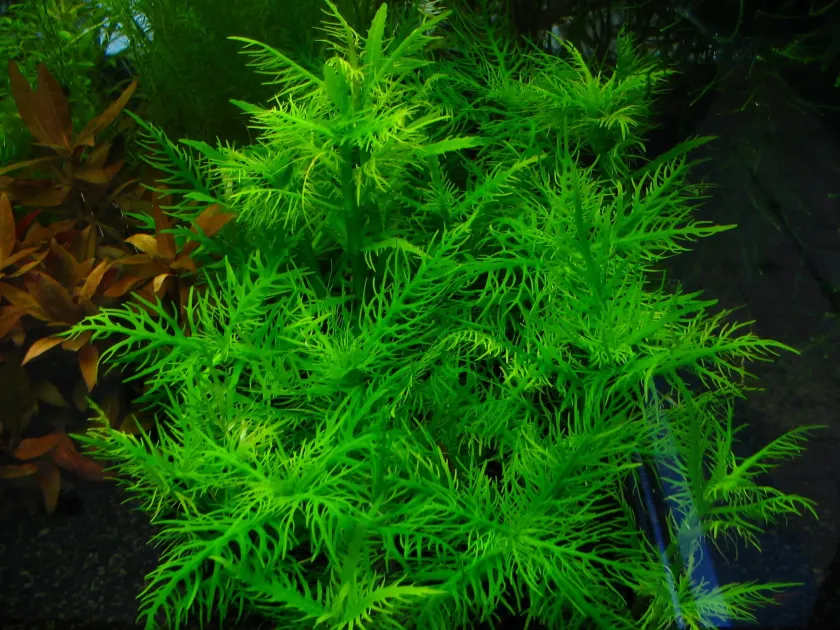
The plant is highly regarded for its unique morphological features. When submerged, it produces finely divided, pinnate leaves that look delicate and fern-like, providing a distinct texture to any aquatic display or aquascape.
Optimal growth requires stable water parameters, with temperatures ranging from 22 to 28 degrees Celsius. The plant is considered demanding regarding light intensity; it thrives only when provided with high-quality, full-spectrum lighting to maintain its compact and vibrant form.
A nutrient-rich substrate is essential for this species. Given its vigorous root system, providing a deep, mineral-dense soil layer significantly enhances growth rates. Regular supplementation of CO2 is also recommended for optimal health.
In terms of usage, it is exclusively cultivated as an ornamental plant in the aquarium trade. It serves as a beautiful background plant or a specimen piece in larger aquaria where its rapid growth and unique leaf structure can be showcased.
Main diseases and pests
The most common issue with this plant is nutrient deficiency, particularly iron deficiency, which manifests as yellowing of the leaves. Maintaining a strict fertilization regimen is necessary to prevent these symptoms.
Algae infestation is a significant threat to its pinnate leaves. Because the leaf structure is intricate, it can trap detritus and become a surface for hair algae, which can easily suffocate the plant if water quality is not maintained.
Sudden changes in water chemistry, such as spikes in nitrates or shifts in pH, often cause the plant to drop its foliage. Stabilization of the aquarium environment is the best defense against such stress responses.
While pests are uncommon in fully submerged aquaria, the plant can be susceptible to aphids or mites when grown in emersed (paludarium) conditions. Regular inspection and appropriate horticultural management are needed.
Overcrowding can lead to poor circulation around the lower portions of the plant. Pruning is essential not just for aesthetics, but also to ensure that all parts of the plant receive adequate light and nutrient exposure.