
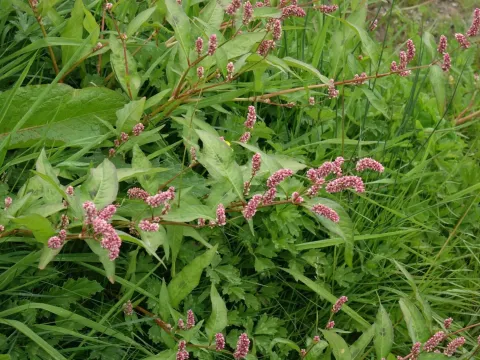
Common knotgrass
Persicaria vulgaris
Common knotgrass is a resilient annual plant that is best sown in early spring as soon as the soil temperatures allow for active germination.
What the section contains
Common knotgrass
The seeds should be planted at a shallow depth of about 1–2 centimeters to ensure adequate contact with moist soil while maintaining access to sufficient warmth.
Row seeding is recommended for commercial fields, with row spacing set to facilitate easy access for maintenance and eventual mechanized harvesting.
Optimal sowing density is crucial for establishing a healthy stand that can resist weed competition during the critical early development phase.
Proper field preparation, including light harrowing, helps create a seedbed that encourages even germination across the entire plantation.
As a member of the Polygonaceae family, common knotgrass is highly adaptable and thrives in various types of soil, ranging from sandy loams to clay-based substrates.
The plant is known for its tolerance to compaction and high traffic, making it a robust crop that does not require excessive soil tilling.
While knotgrass exhibits significant drought tolerance once established, consistent soil moisture during the first few weeks of growth is essential.
The crop prefers sunny locations and is sensitive to heavy shading from competing vegetation, which can lead to elongated, weaker stems.
Minimal fertilization is generally sufficient, though a balanced supply of nitrogen and phosphorus during the growth phase supports higher biomass production.
Yield capacity for knotgrass is directly linked to the management intensity and the number of harvests conducted throughout the growing season.
With correct agronomic practices, cultivators can expect multiple cuttings, which significantly enhances the total output of herbal raw material.
Average yield figures typically range between 5 to 10 tons of dry weight per hectare depending on the soil fertility and climatic conditions.
Late-season harvests should be timed carefully to allow the plants to replenish energy reserves in their root systems before winter dormancy.
Uniformity in the crop stand is a key indicator of potential yield, as patchy fields lead to inconsistent product quality and lower economic returns.
Common knotgrass is generally hardy, though it may be susceptible to powdery mildew in environments with poor air circulation or excessive humidity.
Soil-borne pests such as wireworms can pose a threat to seedlings, necessitating monitoring during the early stages of the crop's development.
Fungal leaf spot diseases may appear during prolonged rainy periods, which can reduce the visual appeal and quality of the final herbal product.
Effective management involves maintaining proper density and avoiding waterlogged areas, which are common breeding grounds for pathogens.
- Regular inspection for pest activity.
- Adequate ventilation of the plant canopy.
- Crop rotation with non-host species.
The harvesting of common knotgrass is performed during the peak flowering stage to capture the highest concentration of active therapeutic compounds.
The plants are cut at a height that avoids damaging the crown of the plant, ensuring that the crop can effectively regenerate for subsequent harvests.
Immediate post-harvest drying is required, typically performed in well-ventilated sheds or specialized drying chambers to preserve the herbal integrity.
The drying process should be strictly temperature-controlled to prevent the degradation of heat-sensitive flavonoids and tannins within the plant tissue.
Once dried, the product must be stored in airtight, moisture-resistant containers to maintain potency and prevent the development of mold or spoilage.