
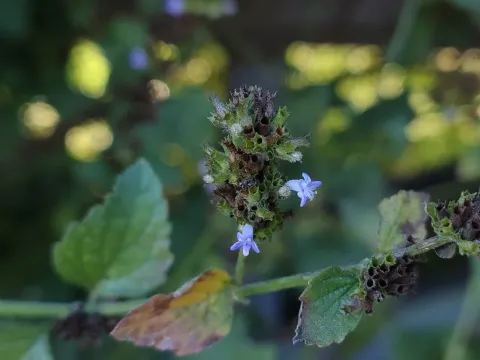
Cantinoa
Cantinoa
Plants of the genus Cantinoa, belonging to the Lamiaceae family, have a lifecycle closely tied to seasonal precipitation. In cultivation, sowing is best performed at the onset of the rainy season to provide seeds with the moisture required for germination.
What the section contains

Cantinoa
Seeds should be sown directly into warmed soil, as the culture is sensitive to temperature fluctuations in its early stages. A planting depth of 1–2 cm is ideal to ensure proper access to soil nutrients and moisture.
Maintaining appropriate spacing is crucial to prevent fungal infections caused by poor air circulation. Overcrowding often leads to stunted growth and increased susceptibility to pathogens.
Seed viability typically lasts for up to two years under cool, dry storage conditions. Calibrating the seeds before sowing is recommended to ensure uniform field emergence.
Transplanting seedlings is a viable strategy to protect young plants from weed competition during the critical early weeks of development.
Cantinoa thrives in well-drained, fertile soils with a neutral to slightly acidic pH. Waterlogging is a significant risk, often leading to rapid root rot and plant decay.
This is a sun-loving genus that requires full exposure to sunlight to maximize the production of aromatic compounds. Insufficient light results in leggy stems and reduced biomass.
The optimal temperature range is between 20–28 degrees Celsius. The plants are frost-sensitive, restricting their commercial cultivation to tropical and subtropical climates.
Water requirements are moderate, as the plants possess a fairly resilient root system. However, regular irrigation is essential during prolonged dry spells to maintain yield potential.
- Periodic soil cultivation to improve aeration and root development.
- Application of balanced fertilizers at the start of the vegetative stage.
- Windbreaks to protect delicate floral stalks from mechanical damage.
Root rot is the primary threat to Cantinoa, usually triggered by stagnant water in the root zone. Proper soil drainage management is the most effective preventative measure.
Pests like spider mites and aphids may infest the foliage in arid conditions. Integrated pest management strategies, focusing on biological controls, are preferred.
Powdery mildew often emerges in high-humidity environments with poor ventilation. Thinning the crop density significantly lowers the risk of such outbreaks.
Defoliating insects can cause significant damage to the leaf canopy during the flowering stage, necessitating vigilant monitoring of the fields.
Weed management is vital during the early growth phases. Effective control of competing vegetation is necessary until the crop canopy closes and shades out the weeds.