
Cantinoa mutabilis
Cantinoa mutabilis
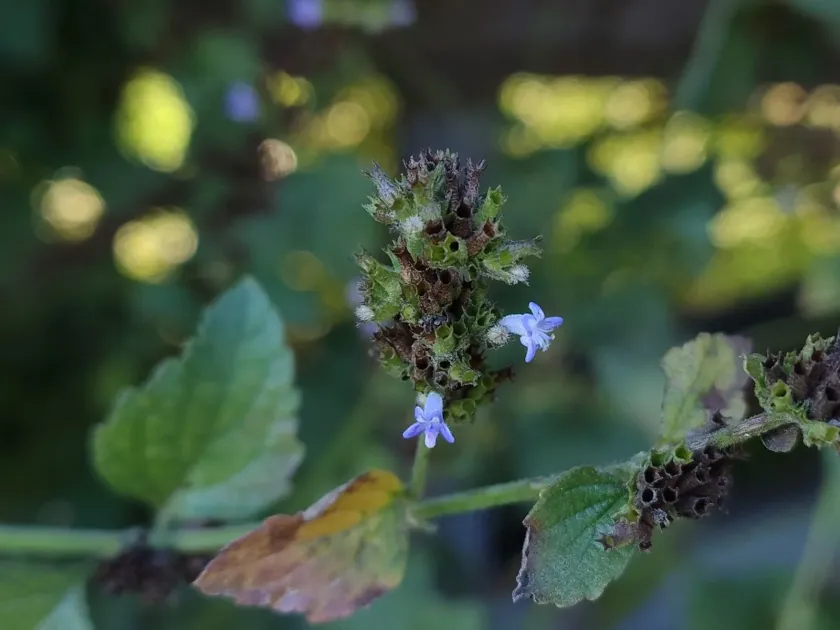
Description
Sowing dates
Cantinoa mutabilis is a heat-loving crop, making the timing of sowing critical; it should be planted only after the threat of frost has passed and temperatures are consistently warm.
In temperate climates, starting seeds in greenhouses or protected nurseries approximately four to six weeks before the final frost date is the most effective method for high success rates.
The seeds are small and sensitive to planting depth; they should be sown on the surface of the soil or lightly covered, as they require light to trigger optimal germination.
Field sowing should only be performed in regions with long growing seasons, ensuring that the soil is sufficiently warmed and prepared for delicate young seedlings.
Consistent plant spacing is vital for commercial production, allowing enough room for air circulation between rows, which significantly reduces the risk of fungal diseases.
Growing requirements
As a member of the Lamiaceae family, this plant thrives in environments that mimic its tropical origin, requiring a delicate balance of heat and consistent moisture.
The soil must be fertile, well-draining, and rich in organic matter to support the rapid vegetative growth that defines the crop's economic value.
Abundant sunlight is perhaps the most important requirement, as exposure to full sun directly influences the plant's metabolic processes and oil production capacity.
Watering should be managed precisely; while the crop needs frequent hydration, it is highly susceptible to root decay if soil aeration is compromised by standing water.
Optimal development occurs in soil with a neutral to slightly acidic pH level, which facilitates the efficient uptake of essential nutrients needed for high yields.
Yield
Yield management in Cantinoa mutabilis focuses on maximizing the volume of high-quality leaf material, which is harvested during peak growth periods.
Productivity is significantly increased through the strategic application of organic fertilizers, which promote robust development of the lateral stems and foliage.
The harvest should be timed according to the plant's phenological stage; ideally, cutting should occur just as the plant begins to bud but before full bloom.
Successive harvests are often possible within the same season if the plant is pruned correctly, allowing for rapid regeneration of new, nutrient-rich biomass.
Post-harvest handling is critical, as improper processing can quickly degrade the essential compounds within the plant, directly impacting its market value.
Main diseases and pests
The primary threats to this culture are typically related to root pathogens, particularly those triggered by overly wet or compacted soil conditions.
Common agricultural pests like aphids and spider mites can pose a significant challenge, especially in warm, dry weather conditions that favor rapid population growth.
Foliage-feeding caterpillars can also impact biomass yield, necessitating regular monitoring and early intervention to maintain crop health.
An effective integrated pest management strategy should include regular crop rotation to break the life cycles of specific pests and soil-borne pathogens.
Biological controls and preventive agricultural practices are preferred over chemical interventions to ensure the purity and sustainability of the final harvested product.
Harvesting
Harvesting should be performed in the early morning once dew has evaporated, as this is the window when essential oil concentrations are at their absolute maximum.
Careful cutting techniques ensure that the plant retains its ability to regenerate, allowing for sustainable cultivation practices over multiple cutting cycles.
The harvested material must be moved quickly to a shaded, well-ventilated space for drying to prevent degradation from heat or sunlight exposure.
During the drying process, maintaining low humidity is essential to prevent mold growth, which is a common cause of post-harvest loss in delicate crops.
Once dried to the correct moisture content, the crop should be stored in cool, dark, and airtight conditions to preserve its botanical integrity for distribution.