
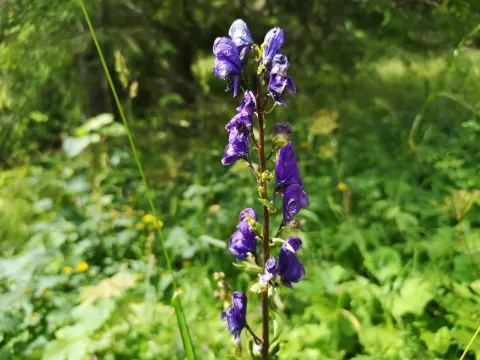
Aconitum firmum
Aconitum firmum
Sowing Aconitum firmum is best performed in late autumn to allow the seeds to undergo natural cold stratification, which is essential for uniform germination.
What the section contains
Aconitum firmum
If spring sowing is preferred, seeds must be kept at low temperatures (refrigerated) for at least two to three months before being planted in the soil.
The seeds should be covered lightly with fine soil, as they require a certain amount of moisture and proper contact with the substrate to sprout.
It is important to maintain consistent moisture in the seedbed throughout the germination period, which can be quite lengthy and irregular.
Seedlings develop slowly, so it is recommended to keep the plot free from weeds to prevent competition for nutrients and sunlight during the initial stage.
Aconitum firmum belongs to the Ranunculaceae family and thrives in cool, temperate climates with moist, well-draining soils.
The ideal soil profile is rich in organic matter, slightly acidic to neutral, ensuring that the roots have access to essential minerals.
Partial shade is preferable to full sun, especially in regions with hot summers, to prevent soil moisture evaporation and leaf dehydration.
The plant requires adequate ventilation to prevent the buildup of humidity, which is critical for maintaining overall crop health.
Regular mulching with organic material helps to regulate ground temperature and preserves soil structure, supporting healthy root growth.
Powdery mildew is a common fungal threat to Aconitum firmum, often appearing in conditions of high humidity and poor air circulation.
Root rot is a significant risk, particularly in heavy or waterlogged soils, necessitating proper field drainage planning.
Aphids can cause substantial damage to the developing foliage, necessitating integrated pest management strategies early in the season.
Leaf nematodes can also cause necrotic spots on the leaves, impacting the photosynthetic capacity of the plants.
Proper hygiene, such as removing dead plant tissues and debris at the end of the season, is essential for reducing the inoculum of fungal diseases.