
Vitis rotundifolia x Vitis rupestris hybrid
Vitis rotundifolia x Vitis rupestris
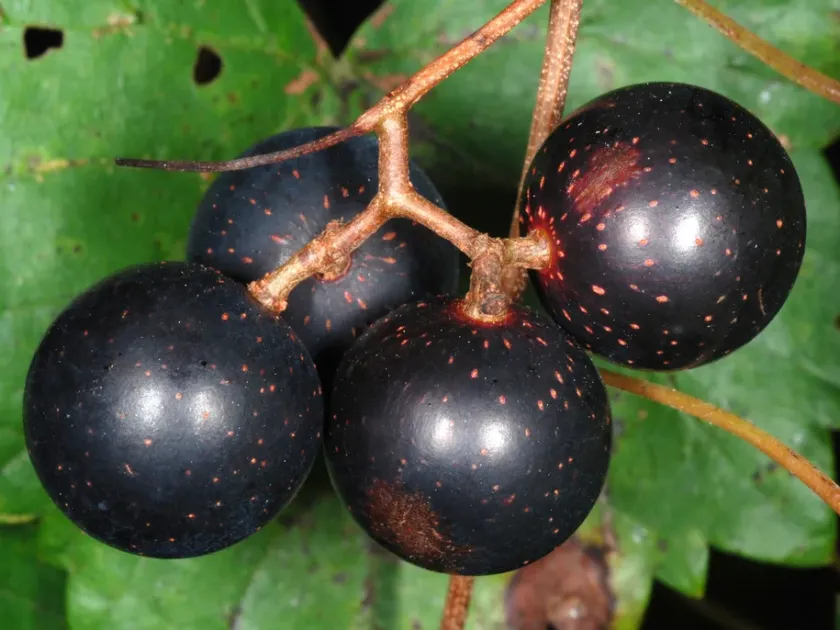
Description
Growing requirements
The hybrid resulting from the crossing of Vitis rotundifolia and Vitis rupestris belongs to the Vitaceae family. This botanical combination is primarily valued in modern viticulture for its potential as a specialized rootstock, inheriting the physiological strengths of both parent species.
Vitis rupestris contributes a robust root system capable of thriving in rocky, nutrient-poor substrates, while Vitis rotundifolia provides additional vigor and specific resistance traits. These characteristics allow the hybrid to maintain healthy growth in environments where traditional vines might struggle.
Cultivation requires well-drained, slightly acidic soils. The plant is sensitive to waterlogging, necessitating proper drainage systems to ensure the longevity of the root system. Proper site selection is critical, particularly in regions where the thermal requirements of the rotundifolia parent can be met.
Agrotechnical practices involve careful management of canopy density. Due to its vigorous nature, regular pruning and training are essential to maintain vine balance and ensure adequate sunlight penetration, which promotes better tissue maturation before the dormant season.
Cold hardiness remains a limiting factor for this hybrid in northern latitudes. While the rootstock offers durability in specific soil conditions, growers must account for the frost sensitivity of the vine's aerial parts when planning vineyard establishment.
Main diseases and pests
The primary advantage of this hybrid is its significant resistance to phylloxera, a major pest that devastated European vineyards. This genetic trait makes the hybrid an essential tool for creating sustainable vineyards in areas where soil-borne pests are prevalent.
Despite its pest resistance, the vine can be susceptible to fungal diseases such as downy mildew and anthracnose, especially in environments with high humidity. Regular scouting and preventative fungicide applications are necessary to protect the plant's photosynthetic capacity.
Pests such as spider mites and leaf mites may infest the foliage during hot, dry periods. Integrated pest management, focusing on biological controls and maintaining optimal vine health, is the most effective strategy for managing these secondary threats.
Nematode infestations can occur, particularly in sandy soil profiles. Choosing certified, virus-free nursery stock is the most important measure to prevent the introduction of pathogens into the vineyard, ensuring long-term yield consistency.
Maintaining nutrient balance is essential to prevent physiological disorders. Proper fertilization based on soil analysis prevents chlorosis and enhances the vine's natural defense mechanisms against environmental stressors and potential pathogens.