
Riparia Gloire de Montpellier
Vitis riparia Michx.x Vitis rupestris Scheele
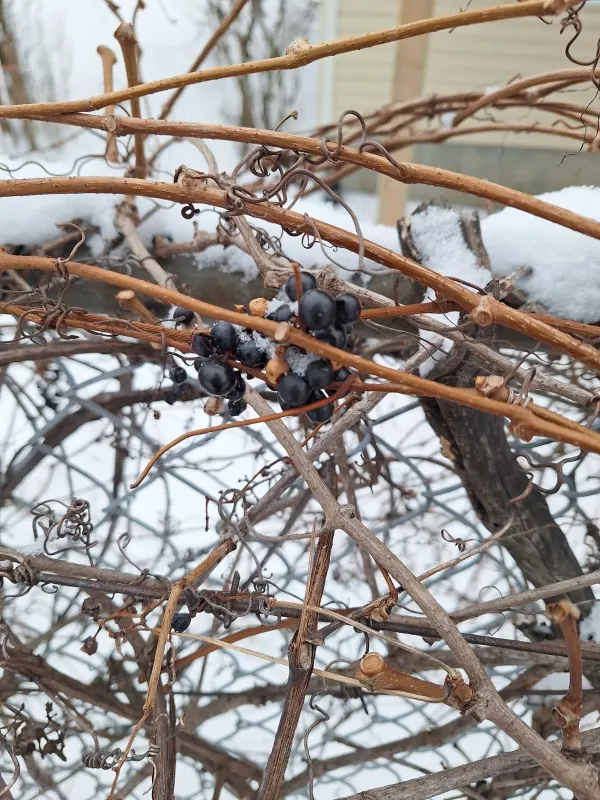
Description
Growing requirements
This hybrid, derived from Vitis riparia and Vitis rupestris, is a cornerstone of global viticulture. Belonging to the Vitaceae family, it serves as a highly reliable rootstock, valued for its vigorous growth and excellent affinity with various Vitis vinifera cultivars.
The plant features a robust and deep-reaching root system, allowing it to adapt to diverse soil profiles. It excels in moderately fertile and moist soils, providing a stable foundation that encourages early and vigorous vine development.
Botanically, the plant is characterized by its early budbreak and efficient sap flow, which significantly benefits the scion. Its canes show excellent maturity and wood density, making them ideal for high-quality nursery propagation and subsequent field grafting.
Regarding climate adaptation, this rootstock shows good cold hardiness and is capable of thriving in temperate regions. It possesses a moderate tolerance to drought, maintaining physiological activity even under sub-optimal moisture conditions.
The widespread use of this rootstock is largely attributed to its significant resistance to soil-borne phylloxera. By preventing root damage, it ensures the longevity of vineyard plantings and maintains stable yields over several decades.
Main diseases and pests
Like most grapevine species, the Riparia x Rupestris hybrid is susceptible to common fungal pathogens. Downy mildew is a primary concern in humid environments, requiring proactive monitoring and occasional fungicidal treatment to protect the foliage.
Powdery mildew also presents a constant pressure during the growing season. Effective management strategies involve maintaining canopy aeration and following a strict spray schedule to prevent significant infestations on the vine shoots.
Root zone health is critical for this hybrid, as waterlogging can lead to anaerobic conditions. Such environments encourage the development of soil-borne rots, which can compromise the root system's integrity if drainage is inadequate.
Pests such as mites and leafhoppers can affect vine vigor if left unchecked. A comprehensive Integrated Pest Management (IPM) approach is recommended to preserve the leaf surface area for maximum photosynthesis during the active season.
Although the rootstock offers strong resistance to phylloxera, it is not immune to all soil-borne viral complexes. Therefore, maintaining strict phytosanitary standards during the nursery stage is essential to prevent the spread of diseases to new vineyards.