
Vitis berlandieri x Vitis rupestris
Vitis berlandieri Planch x Vitis rupestris Scheele
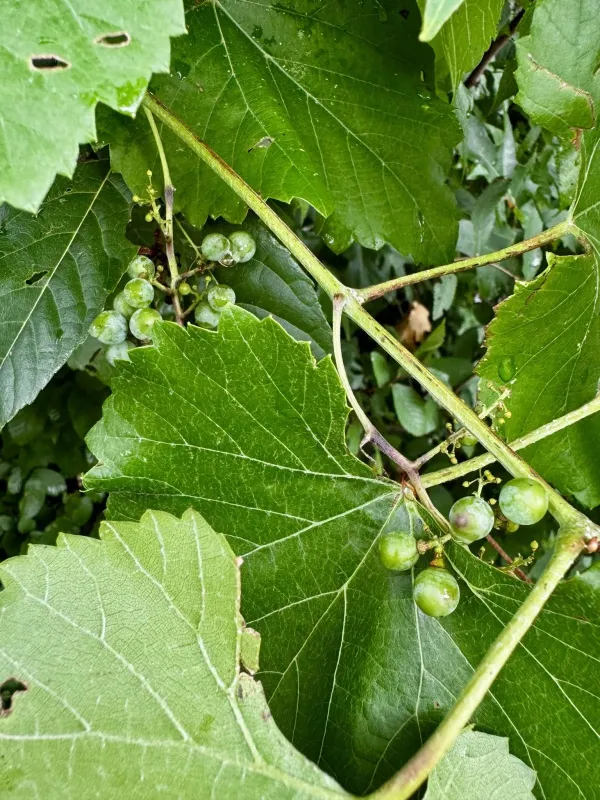
Description
Growing requirements
This hybrid belongs to the Vitaceae family and is widely recognized as one of the most significant grapevine rootstocks used in global viticulture. It is the result of systematic crossing between the American wild species Vitis berlandieri and Vitis rupestris, combining their adaptive advantages.
The primary horticultural value of this hybrid is its superior tolerance to high levels of active lime in the soil. Inheriting genetic traits from Vitis berlandieri, this rootstock thrives in calcareous soils where standard European varieties would suffer from severe iron chlorosis.
The culture requires a warm climate with a long growing season to ensure robust development of its root system and proper wood maturation. It demonstrates vigorous growth habits and deep root penetration, providing excellent resilience to arid conditions and water scarcity.
Agronomic management focuses on the maintenance of mother vine blocks for cutting production. These cuttings are highly valued for their high success rate in grafting and excellent physiological compatibility with a vast range of commercial European grape cultivars.
This plant is not cultivated for fruit production, as its berries possess no economic value. Instead, its sole purpose is to serve as a reliable, resistant, and efficient foundation for premium vineyards located in challenging pedological environments.
Main diseases and pests
The core advantage of this hybrid is its robust resistance to phylloxera, a devastating root-feeding aphid that decimated European vineyards and necessitates the use of such resistant rootstocks today.
Despite its natural hardiness, the rootstock can be susceptible to common fungal diseases such as downy mildew and powdery mildew if managed in areas with poor airflow or improper sanitary conditions.
In industrial nurseries, the risk of root rot must be managed through proper site selection and soil drainage, as the plant does not tolerate waterlogged, anaerobic soil environments.
Sanitary control is of paramount importance to prevent the transmission of viral diseases. Implementing strict quarantine protocols and using virus-indexed propagation material is essential for modern rootstock nurseries.
Regular maintenance, including proper pruning and fertilization, is required to keep the mother vines in optimal health, which directly influences the success of the resulting grape grafts.