
Hybrids of Vitis riparia and Vitis vinifera
hybrids between Vitis riparia and Vitis vinifera
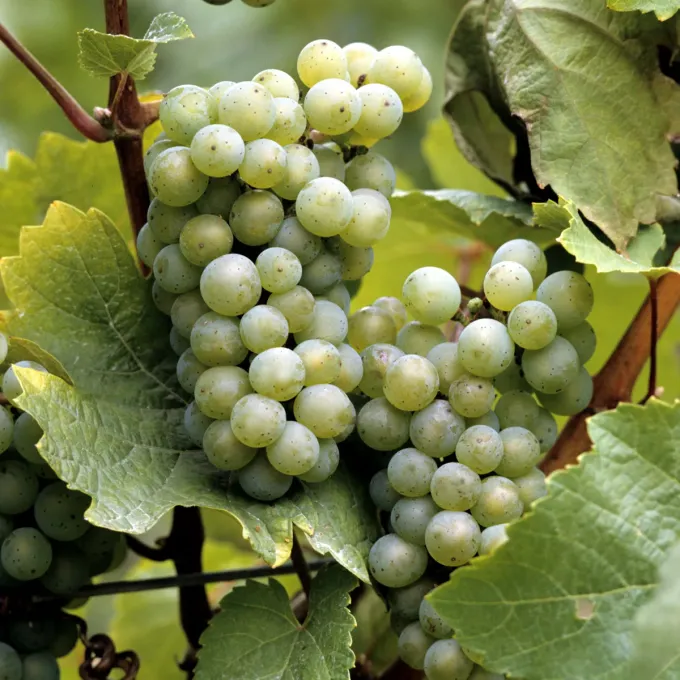
Description
Growing requirements
Hybrids between Vitis riparia and Vitis vinifera represent a significant segment of the Vitaceae family, created to combine the resilience of wild American species with the organoleptic qualities of European wine grapes. These hybrids are widely valued in modern viticulture for their ability to thrive in harsh climates.
Botanically, these cultivars inherit the cold tolerance and vigorous root system of Vitis riparia, combined with the fruit quality and consistency of Vitis vinifera. This combination results in vines that can survive temperatures far below those tolerable by traditional European varieties, making them ideal for northern viticultural zones.
Soil requirements for these hybrids are generally adaptable, though they perform best in well-drained, slightly acidic to neutral soils. Unlike pure Vitis vinifera, which is sensitive to soil composition, these hybrids demonstrate remarkable plasticity and can sustain growth in diverse geological environments.
Climate requirements focus on maximizing the growing season for ripening. While cold-hardiness is a defining feature, these plants require sufficient sunlight and heat summation units to ensure proper sugar accumulation and lignification of the canes before the onset of winter dormancy.
Agrotechnical practices involve careful management of growth vigor. Because these hybrids are often extremely prolific, systematic pruning and canopy management are essential. Proper training systems ensure optimal light penetration, which is critical for reducing humidity levels within the vine canopy and maintaining fruit quality.
Main diseases and pests
Phylloxera resistance is the hallmark of Vitis riparia hybrids. This biological trait is highly sought after by commercial growers and nurserymen, as it allows for own-rooted cultivation without the inherent risks associated with phylloxera-susceptible root systems.
Despite their inherent robustness, these hybrids may still be susceptible to common fungal pathogens, including Downy Mildew and Powdery Mildew. The level of disease resistance is often dependent on the specific breeding program, with modern selections showing significant improvements over older generations.
Pest management should focus on common vineyard intruders such as leafhoppers and spider mites, particularly in areas with prolonged dry spells. Early detection is vital, and integrated pest management (IPM) strategies are strongly recommended to preserve beneficial insect populations.
Maintaining air circulation is a primary defense against fungal pressures. Ensuring that the trellis system provides adequate space between shoots reduces the microclimate humidity, which effectively discourages the development of fungal pathogens and reduces the need for chemical intervention.
Finally, winter preparation is key to long-term vineyard health. Providing adequate potassium nutrition in late summer encourages hardy bud development and robust cane maturation, ensuring that the vines emerge from winter dormancy with strong vigor and high resistance to spring pathogens.