
Rubus tricolor
Rubus tricolor Focke
Description
Growing requirements
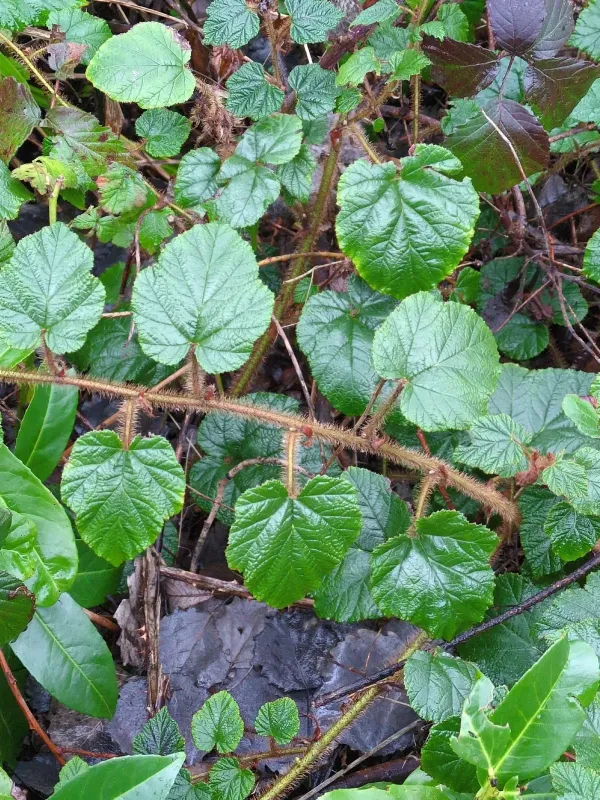
Rubus tricolor Focke, commonly known as the Chinese ground raspberry, is an evergreen, trailing shrub belonging to the Rosaceae family. It is widely valued in horticulture as a robust groundcover plant that spreads across the ground with dense foliage.
Native to Western China, this species thrives in mountainous woodland regions. In its natural habitat, it adapts to moist, shaded areas with soil rich in organic matter. This biological history dictates the conditions required for its successful cultivation in gardens.
The plant requires well-drained, fertile soil that remains moist but not waterlogged. While it is quite adaptable to different soil types, incorporating compost or leaf mold at the time of planting promotes healthy root development and faster lateral growth.
Ideal conditions include partial to full shade. While it can survive in brighter locations, extreme exposure to direct sunlight can scorch the glossy leaves and reduce the aesthetic appeal of the groundcover, especially in drier climates.
Routine care involves consistent irrigation during dry spells to maintain soil moisture levels. Since the stems root easily where they touch the soil, the plant can spread quite aggressively; therefore, it is necessary to establish boundaries in small garden beds.
Yield
Rubus tricolor is not grown for fruit production as its berries are generally considered to have poor flavor compared to cultivated raspberries. Its primary agricultural use is focused on landscape architecture and environmental stabilization.
As a groundcover, it is exceptional for preventing soil erosion on slopes and embankments. Its dense, interlocking stems act as a living blanket, effectively protecting the topsoil from wind and rain while suppressing the germination of weed seeds.
In landscaping, this plant is used to cover difficult areas, such as the ground beneath large trees where other lawn grasses struggle to thrive due to shade. It provides a lush, deep green texture that remains stable throughout the year.
The harvest of this plant is non-existent in the traditional agricultural sense. Instead, gardeners "harvest" its ornamental benefits by propagating cuttings to expand the decorative coverage in different parts of the garden.
Propagation is most efficiently achieved through cuttings or by detaching rooted stems. These segments quickly establish themselves in new locations, making it a highly cost-effective and low-maintenance option for large-scale landscaping projects.
Main diseases and pests
Like many species within the Rubus genus, Rubus tricolor is susceptible to fungal diseases such as leaf spots and anthracnose. These issues are most common in areas with poor airflow and excessive humidity around the foliage.
To minimize disease risk, it is essential to ensure that the planting site has adequate drainage. Avoiding overhead watering is recommended to keep the foliage dry, which significantly reduces the probability of fungal spores germinating on the leaves.
Pests such as aphids and spider mites can occasionally affect the plant, particularly during hot and dry summer months. These insects feed on the sap of tender new growth, causing curling or yellowing of the leaves.
Management of pest populations is typically handled through integrated pest management strategies. Using gentle insecticidal soaps or neem oil is usually sufficient to control outbreaks without harming beneficial insects in the garden ecosystem.
Maintaining plant vigor through proper soil nutrition and avoiding extreme overcrowding are the best preventative measures against most threats. A healthy plant is naturally more resilient to environmental stress and opportunistic pathogens.