
Rubus minusculus
Rubus minusculus H. Lév. & Vaniot
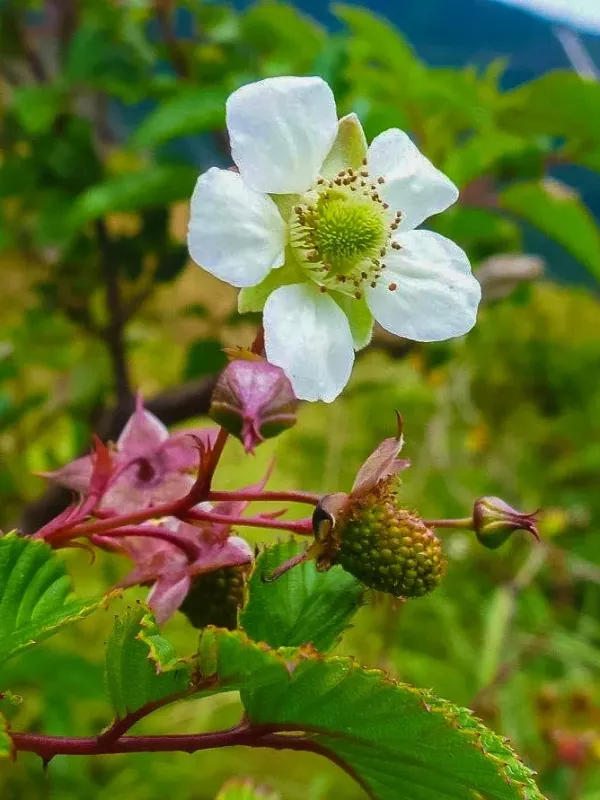
Description
Growing requirements
Rubus minusculus is a perennial shrub belonging to the Rosaceae family. Native to the mountainous terrains of East Asia, this plant species thrives in environments characterized by cool temperatures and moderate rainfall.
The plant requires deep, fertile, and well-drained soils to prevent root rot. It is particularly sensitive to waterlogged conditions, making proper site selection and soil amendment essential for growth.
Sunlight exposure is a critical factor for the vigor of this species. Ideally, it should be planted in locations that receive full sun for the majority of the day to ensure optimal photosynthesis and fruit production.
Regarding climate, the plant displays significant cold hardiness but requires a dormant period to reset its biological clock for the following season. Proper winter protection with mulch is advisable in regions with severe frosts.
Agricultural management involves annual pruning to remove old wood, which promotes the growth of new, productive fruiting canes. Maintaining balanced spacing between plants is also necessary for air circulation.
Main diseases and pests
Fungal diseases, specifically powdery mildew and berry rot, present the most significant threat to Rubus minusculus under conditions of poor ventilation or high humidity.
Pests such as aphids, mites, and various types of beetles may infest the leaves and buds, potentially causing foliage damage and reduction in berry quality.
A proactive integrated pest management strategy is highly recommended, utilizing mechanical removal of infested branches and natural biological control agents.
Maintaining a weed-free environment is essential, as surrounding weeds often serve as hosts for pathogens and pests that eventually migrate to the berry bushes.
Regular sanitation of the field, including the removal and disposal of fallen leaves and debris, prevents the overwintering of spores and insects near the crop.
Harvesting
Harvesting usually commences once the berries reach full maturity and display their characteristic deep color. The fruits are typically hand-picked to ensure minimal mechanical damage.
Due to the fragile nature of the fruit, it is advised to use small containers during harvest to avoid crushing the lower layers of the berries under their own weight.
Immediate cooling of the harvested fruit is crucial to extend shelf life and maintain the high nutritional value of the berries before they reach the consumer.
The berries are highly versatile in culinary applications, serving as excellent ingredients for jams, pastries, and fresh consumption due to their distinct flavor profile.
Careful grading of the yield allows for the separation of top-quality fruit for fresh sale, while bruised or damaged berries can be processed for syrups and preserves.