
Red raspberry
Rubus idaeus x Rubus parvifolius
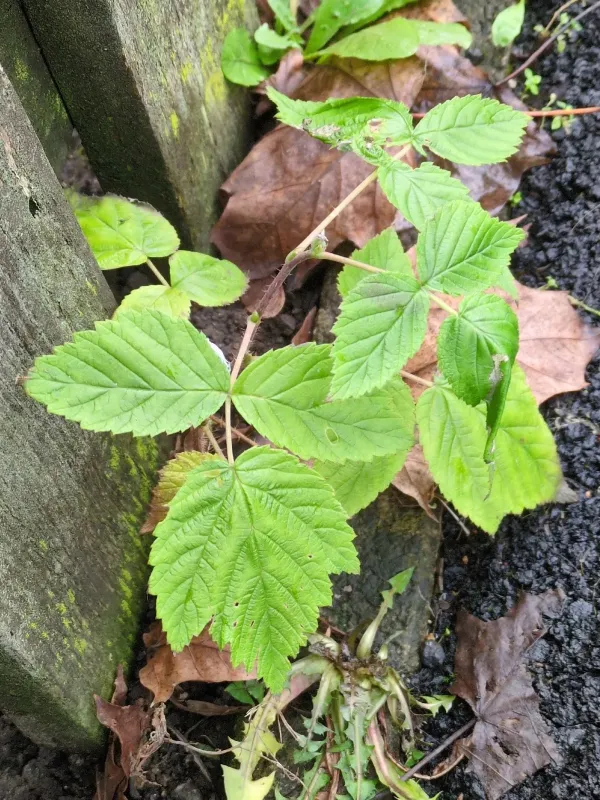
Description
Sowing dates
Planting of red raspberry is typically carried out in two main periods: early spring, before buds break, or autumn, at least 2–3 weeks before the first hard frosts. Autumn planting is generally preferred as moist soil promotes better root establishment.
When selecting a site, choose well-lit areas protected from strong cold winds. The plant prefers loose, fertile loamy or sandy loam soils where the groundwater level is no closer than 1.5 meters to the surface.
Row spacing should be between 1.5 and 2 meters, with individual bushes spaced 50–70 cm apart. This spacing prevents overcrowding, ensures adequate sunlight penetration, and maintains airflow, which is critical for fungal disease prevention.
It is essential to clear the field of perennial weeds, especially couch grass, which competes for nutrients. The soil should be enriched with organic matter, adding approximately 10 kg of well-rotted manure or compost per square meter.
After planting, cut the stems back to 20–30 cm above ground level. This practice stimulates the growth of replacement shoots and encourages a strong root system during the plant's first year.
Growing requirements
Red raspberry belongs to the Rosaceae family. It is a perennial subshrub with a biennial growth cycle for its canes: the first year they grow vegetatively, and in the second year, they produce fruit and then die back.
This crop has high moisture requirements, especially during the flowering and fruit-setting stages. Water deficiency leads to small, dry berries and significantly reduces the growth of replacement canes, impacting future yields.
The optimal soil pH for successful cultivation is between 5.8 and 6.7. On highly acidic soils, liming is required well in advance, as raspberries are sensitive to excess acidity, which hinders the uptake of essential nutrients.
While the plant is frost-hardy, severe winters without snow cover can damage one-year-old canes. Mulching the root zone with peat, straw, or mowed grass is vital for maintaining productivity and soil moisture levels.
Agrotechnical care includes regular fertilization. Apply nitrogen-based fertilizers in spring to boost growth, and use phosphorus-potassium fertilizers in autumn to improve wood maturation and overall winter hardiness.
Yield
Raspberry yield varies significantly depending on the cultivar, site management, and climatic conditions. On average, commercial plantations can produce between 5 and 12 metric tons of high-quality berries per hectare.
Proper bush training and timely pruning have a huge impact on yield volume. Removing fruited canes immediately after harvest directs the plant's energy toward developing vigorous new canes for the next season.
Implementing intensive technologies, such as drip irrigation and regular fertigation, can increase yields by 30–50%. The use of trellises improves fruit accessibility and simplifies routine maintenance tasks.
Biologically, raspberries have an extended fruiting period, allowing harvest to occur over 3–4 weeks. Depending on the variety, berries may ripen from mid-June through August.
Regular replacement of aging bushes and the use of certified, disease-free planting material are key factors in maintaining stable, high productivity over an 8–12 year lifespan.
Main diseases and pests
Major diseases affecting red raspberries include anthracnose, cane blight (Didymella), and verticillium wilt. These fungal pathogens attack canes and leaves, causing premature drying and significant yield losses.
Serious pests include the raspberry beetle, cane midge, and raspberry bud moth. These pests damage flower buds and internal stem tissues, potentially destroying a large portion of the harvest.
Pest and disease control involves a combination of sanitary pruning, removal and burning of affected plant parts, and the application of biological or chemical fungicides according to approved regulations.
Effective prevention starts with selecting resistant cultivars and maintaining spatial isolation from wild raspberry thickets, which often act as reservoirs for infections and insect pests.
Controlling weeds and avoiding over-irrigation significantly reduces the risk of root rot, thereby enhancing the overall phytosanitary health and resilience of the plantation.
Harvesting
Harvesting red raspberries requires great care due to the berries' delicate texture. Picking is done manually, preferably in the morning hours after the dew has evaporated.
Berries are harvested with or without the receptacle, depending on market requirements. Using small, ventilated plastic containers helps prevent the berries from being crushed under their own weight during transport.
For the fresh market, berries must be cooled immediately to +2...+4 degrees Celsius. This extends their shelf life and preserves flavor quality for up to 3–5 days.
Raspberries are used in various ways: consumed fresh, processed into jams, jellies, or juices, and deep-frozen for use in the confectionery and pharmaceutical industries.
Sorting should occur during the harvesting process. It is crucial to exclude overripe or mold-infected berries from the main batch to prevent rapid spoilage of the entire container.