
Red raspberry
Rubus idaeus x R. neglectus
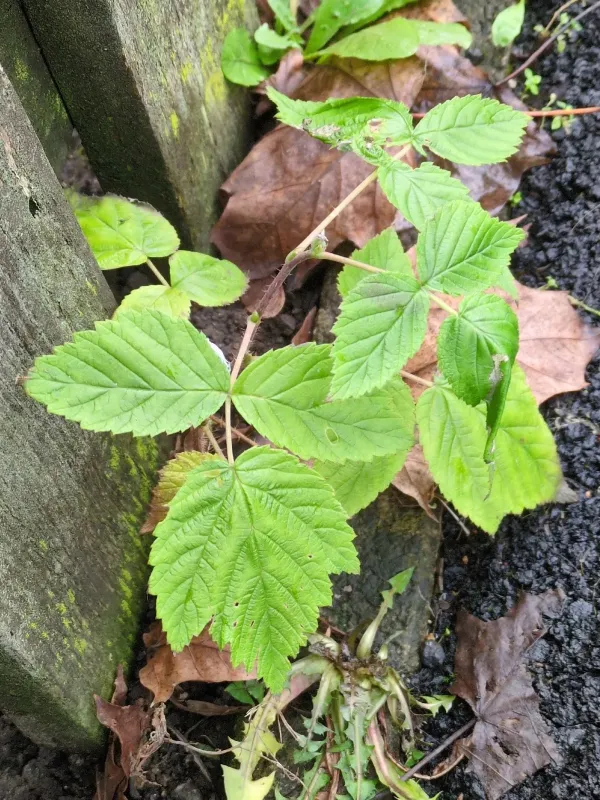
Description
Growing requirements
Red raspberry (Rubus idaeus), belonging to the Rosaceae family, is a perennial shrub widely cultivated for its delicious and nutritious fruit. The plant thrives best in areas with full sun, although it can tolerate partial shade in hotter climates.
The ideal soil for red raspberry is fertile, well-draining loam with a slightly acidic pH between 5.5 and 6.5. Good soil structure is essential as the roots are sensitive to waterlogging, which can lead to fungal diseases.
Water management is crucial during the growing season. Raspberries require consistent moisture, especially during the flowering and fruit-setting stages, to ensure large, juicy berries and high plant vigor.
Climate adaptability is a key feature of this species. It prefers temperate regions where it can benefit from cold winter dormancy, which is necessary for healthy spring development and high fruit production.
Regular maintenance, including mulching with organic matter, helps retain soil moisture and suppresses weed growth. Pruning is essential, as the canes are biennial and should be removed after they have completed their production cycle.
Yield
The yield of red raspberry is highly dependent on effective cane management and the use of trellis systems. Supporting the canes keeps fruit off the ground, improving air circulation and harvest accessibility.
The fruit has diverse economic uses, ranging from fresh consumption to industrial processing for jams, juices, and frozen foods. Its high demand in the market makes it a lucrative crop for small and large-scale farmers.
Beyond the fruit, the leaves of Rubus idaeus are utilized in herbal medicine for their purported anti-inflammatory and tonic properties. This adds additional value to the cultivation of this versatile plant.
High yields are achievable through intensive agricultural practices, including drip irrigation and precise nutrient management. A well-managed plantation can remain productive for up to a decade before needing renewal.
Proper variety selection for specific climate zones significantly impacts yield consistency. Growers should choose cultivars based on their resistance to local diseases and their adaptability to regional weather patterns.
Main diseases and pests
The raspberry beetle is a common pest that attacks both flower buds and developing berries. Monitoring and targeted insecticide applications during the blooming period are necessary to prevent severe crop loss.
Fungal issues such as spur blight (Didymella applanata) pose a serious threat to the longevity of the canes. This disease causes dark purple lesions and can weaken the plants significantly if left untreated.
Anthracnose is another prevalent disease that affects canes and leaves. It manifests as small spots that can merge, causing the plant to dry out and reducing its overall capacity to produce fruit.
Sanitation practices, such as removing and burning infected canes, are the first line of defense. Ensuring proper plant spacing is vital to allow air movement, which naturally reduces the risk of fungal outbreaks.
Implementing integrated pest management (IPM) strategies, which prioritize prevention and biological controls, helps maintain the health of the plantation while reducing reliance on chemical pesticides.
Harvesting
Harvesting red raspberry requires a delicate touch as the fruit is highly perishable. Pickers should handle the berries carefully to prevent bruising, which quickly leads to deterioration and spoilage.
Harvest frequency is usually every few days during peak season. Consistent picking ensures that berries are captured at their optimum stage of ripeness for the best flavor and texture.
Using shallow containers is essential to prevent the berries at the bottom from being crushed under the weight of those above. Proper packaging preserves the integrity and marketability of the fruit.
Immediate cooling post-harvest is a critical step in the supply chain. Storing berries at temperatures near 0-2°C significantly slows down respiration and prevents the growth of molds like Botrytis.
During the harvest, workers should be trained to remove any damaged or overripe fruit separately. Maintaining strict hygiene standards during picking is fundamental to ensure the safety and quality of the final product.