
Hawthorn-leaf raspberry
Rubus crataegifolius Bunge
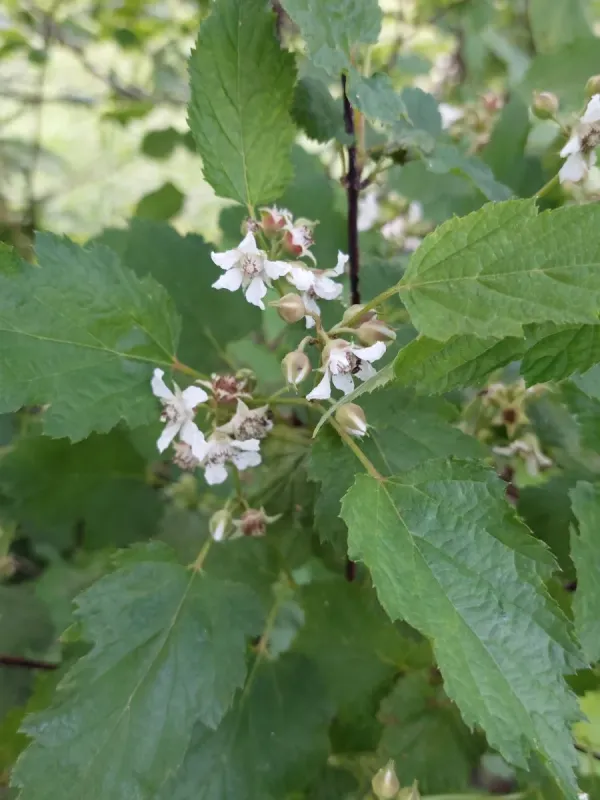
Description
Growing requirements
Rubus crataegifolius Bunge, known as the hawthorn-leaf raspberry, belongs to the Rosaceae family. Native to East Asia, including the Russian Far East, China, Japan, and Korea, this perennial deciduous shrub is well-adapted to temperate forest environments.
The plant thrives in well-drained, fertile soil rich in organic matter. It prefers sunny locations but demonstrates a high degree of tolerance for partial shade, making it a versatile choice for various microclimates within a garden or orchard setting.
Climatic requirements are focused on cold tolerance. Being a hardy species, it withstands winter frosts effectively, provided the root system is protected by mulch during the initial stages of establishment in colder regions.
Cultural practices include consistent moisture management during the flowering and fruiting periods. Pruning should be performed annually to remove deadwood and manage the aggressive suckering habit that characterizes this specific species of Rubus.
Economic importance is derived from both its edible fruits, which are consumed locally, and its role as an ornamental shrub. Its distinctive foliage, which bears a striking resemblance to the leaves of a hawthorn tree, makes it popular in landscaping.
Main diseases and pests
Common botanical threats include fungal infections such as anthracnose or leaf spot, typically triggered by high humidity or poor air circulation. Proper spacing between plants and regular pruning are critical preventative measures for maintaining a healthy plantation.
Pest management focuses on monitoring for typical raspberry-related insects, such as the raspberry beetle or various aphids. Regular scouting and immediate removal of damaged plant tissues help maintain vigor without heavy reliance on chemical pesticides.