
Wine Raspberry
Rubus phoenicolasius Maxim.
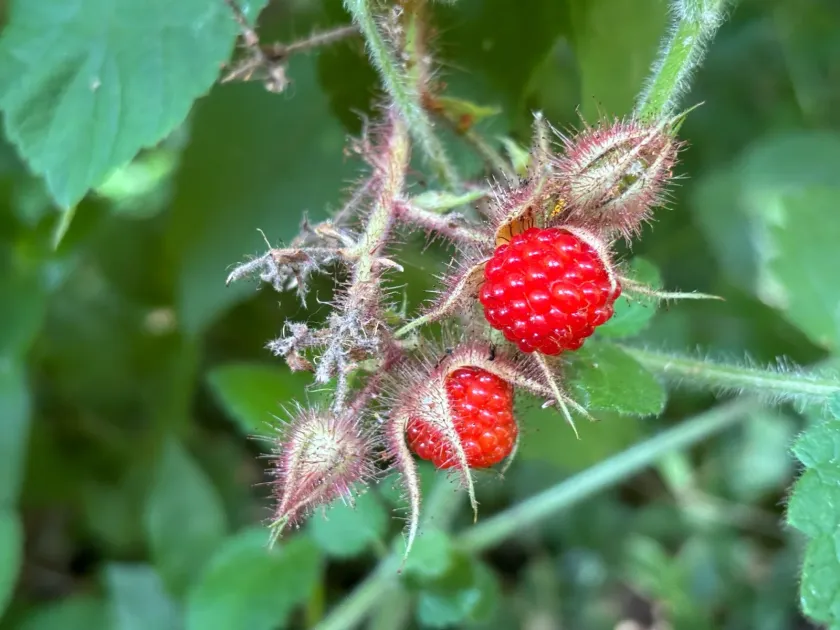
Description
Growing requirements
Rubus phoenicolasius Maxim., commonly known as the wine raspberry or Japanese wineberry, belongs to the Rosaceae family. It is a perennial plant native to East Asia, now widely naturalized in many temperate regions across the globe.
The plant thrives in deep, fertile, and well-drained soils with a slightly acidic to neutral pH level. It performs best in sites with partial shade to full sun, although intense afternoon heat can sometimes scorch the leaves if moisture is insufficient.
It requires consistent moisture throughout the growing season but is highly susceptible to root rot if waterlogged. Integrating organic matter like compost into the soil before planting significantly boosts plant vigor and resilience.
Winter hardiness is one of its key features, but in very cold climates, the canes benefit from being laid down and covered to prevent tip damage. Proper airflow around the plant is essential to prevent fungal outbreaks during humid summers.
Cultivation involves managing long, arching canes that can reach up to 3 meters. Providing sturdy support structures or trellis systems is recommended to keep the berries clean and facilitate easier harvesting.
Yield
Yields from the wine raspberry are typically moderate. The berries ripen in mid-to-late summer, presenting a bright orange-red color and a unique tart-sweet flavor profile that is distinct from standard garden raspberries.
Harvesting should be done frequently as the fruits ripen. Because the berries are very fragile and lack a protective skin, they are best consumed fresh or processed immediately after being picked.
Culinary uses are diverse, ranging from jams and jellies to infusions and wine making. The berries are prized for their intense aromatic properties, which make them a premium ingredient for artisan food production.
To maximize fruit set, it is crucial to ensure cross-pollination by encouraging bees and other beneficial insects in the garden. Avoiding chemical pesticides during the flowering stage is mandatory for sustainable management.
After the harvest, pruning is essential. The canes that produced fruit should be cut down to the ground to make space for the vigorous new primocanes that will produce the next year's crop.
Main diseases and pests
While relatively robust, the plant can suffer from anthracnose and various types of leaf blight in poorly ventilated gardens. Maintaining strict hygiene by removing debris is the primary defense strategy.
Aphids and various beetles are occasional pests. However, due to the rapid growth of the canes, minor infestations rarely cause permanent damage to the structural health of the plant.
- Regular removal of old, dead canes.
- Mulching to retain soil moisture.
- Providing adequate spacing between plants.
- Monitoring for early signs of fungal disease.
- Applying liquid organic fertilizers during spring.