
Zollingeria macrocarpa
Zollingeria macrocarpa
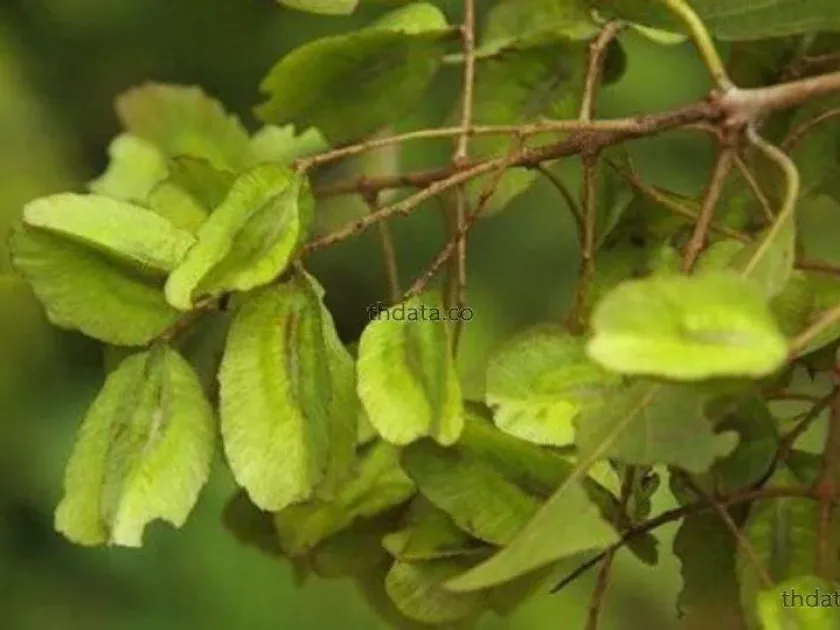
Description
Growing requirements
Zollingeria macrocarpa is a tree species belonging to the Sapindaceae family. It is typically characterized by a robust trunk and a wide canopy, making it a prominent element in tropical forests where it originates.
The native habitat of this plant includes the tropical regions of Southeast Asia, specifically Indonesia. It thrives in environments with high humidity and significant annual rainfall, reflecting its evolutionary adaptation to rainforest ecosystems.
Regarding soil requirements, the species prefers well-drained, fertile substrates. Poorly drained or waterlogged soils are detrimental to its root system, potentially causing stagnation and disease development.
The climate requirements for optimal growth involve consistent warm temperatures throughout the year. The plant does not tolerate frost and requires a stable, frost-free environment to maintain its metabolic activities.
Agrotechnical practices involve careful site selection that ensures sufficient space for canopy expansion. Maintenance includes monitoring for nutrient deficiencies and ensuring that the soil structure remains loose and aerated.
Harvesting
The primary economic use of Zollingeria macrocarpa is the production of high-quality timber. Due to the density and durability of the wood, it is utilized in carpentry and various construction applications.
The harvest of seeds is critical for propagation and ecological restoration projects. Seeds must be collected at the peak of their physiological maturity to ensure high germination rates and overall seedling vigor.
Harvesting strategies include selective logging techniques that minimize disturbance to the surrounding environment. This approach is essential for maintaining the ecological balance of the plantation or forest area.
Post-harvest processing of the timber involves specialized drying techniques to prevent wood degradation. This ensures that the final product maintains its structural integrity and aesthetic properties.
Efficient management of Zollingeria macrocarpa plantations requires a long-term vision. Sustainable harvesting cycles are necessary to ensure that the production levels remain consistent without depleting the natural resource base.