
Koelreuteria integrifolia
Koelreuteria integrifolia
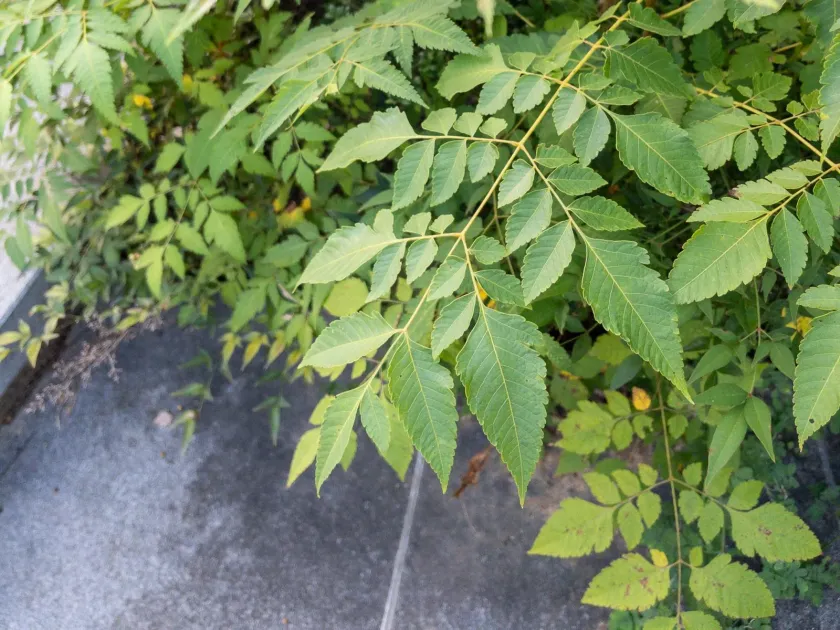
Description
Growing requirements
Koelreuteria integrifolia is a distinguished member of the Sapindaceae family, native to the mountainous regions of East Asia. This deciduous tree is globally recognized for its ornamental value, characterized by its elegant foliage and distinctive seed capsules.
The tree thrives in full sun exposure, which is essential for stimulating the development of its signature golden inflorescences. While it adapts to various soil types, it performs best in fertile, well-draining soils where it can develop a deep and resilient root system.
Climate adaptability is one of its key strengths, as it demonstrates significant tolerance to heat and occasional dry spells once established. However, growers should protect young saplings from harsh frost to ensure long-term viability and structural integrity of the main stem.
Agrotechnical practices involve yearly maintenance pruning to manage the canopy structure and remove dead or diseased branches. Proper spacing is mandatory to ensure adequate air circulation, which is vital for preventing the accumulation of excess humidity within the foliage.
The utility of this plant spans from urban landscape design to serving as a sustainable source of nectar for local bee populations. Its ability to tolerate urban pollution makes it a preferred choice for city park planting and residential avenue greening.
Main diseases and pests
Pest pressure from aphids and spider mites can impact the overall health of the foliage, particularly in nurseries or high-density plantations. Integrated pest management strategies, including the introduction of natural predators, are highly effective for long-term control.
Fungal diseases, such as leaf spot, may occur during seasons with prolonged rainfall or high humidity levels. Maintaining sanitation within the orchard or garden by clearing leaf litter is a critical preventative measure for reducing pathogen load.