
Jagera javanica
Jagera javanica
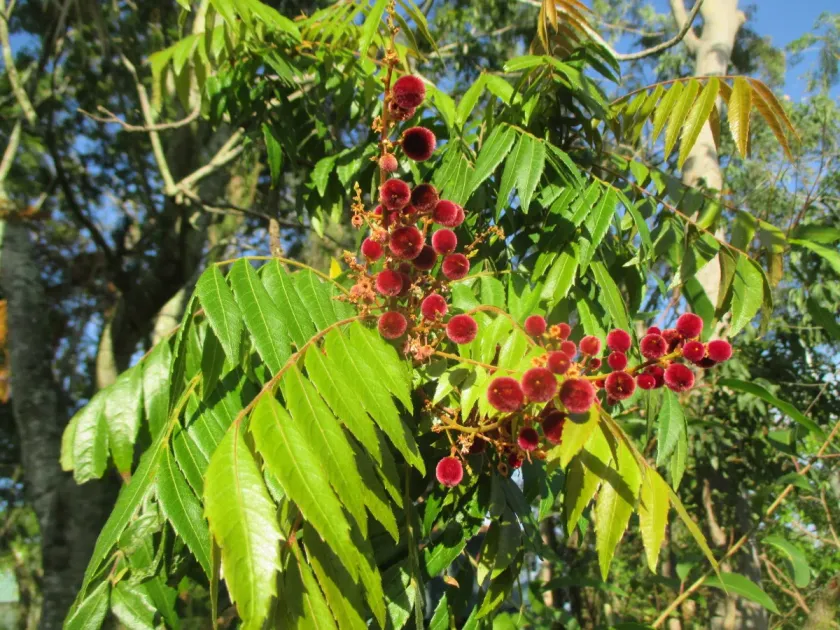
Description
Growing requirements
Jagera javanica is a tropical tree species belonging to the Sapindaceae family, native to the diverse rainforest ecosystems of Southeast Asia and Australia.
The species requires a tropical climate characterized by consistently high temperatures and significant rainfall to achieve optimal growth and development.
Successful cultivation depends on providing well-drained soil rich in organic matter, as the root system is highly sensitive to waterlogging and poor aeration.
The tree exhibits distinct botanical features including dense, pinnate foliage and a structural form that contributes to forest canopy diversity in its natural habitat.
Economically, Jagera javanica is primarily valued for its utility in ornamental landscaping and as a component of ecological restoration projects in tropical regions.
Main diseases and pests
The primary threats to Jagera javanica involve fungal pathogens, particularly those affecting the root system during periods of heavy monsoon rain or poor soil drainage.
Leaf-feeding insects represent a significant concern for nurseries, as they can cause extensive defoliation, particularly in young saplings during early growth stages.
Fungal leaf spot diseases may appear in environments with low airflow, necessitating strategic pruning to ensure the canopy remains healthy and well-ventilated.
Boring insects are considered secondary pests but can cause structural damage to the trunk, potentially weakening the overall integrity of mature trees.
Effective management includes maintaining appropriate planting spacing and implementing integrated pest management practices to prevent large-scale infestations.