
Turkmen maple
Acer turcomanicum
Description
Growing requirements
The Turkmen maple (Acer turcomanicum) is a distinctive species within the Sapindaceae family. It is indigenous to the arid regions of Central Asia, where it has evolved to withstand extreme environmental conditions.
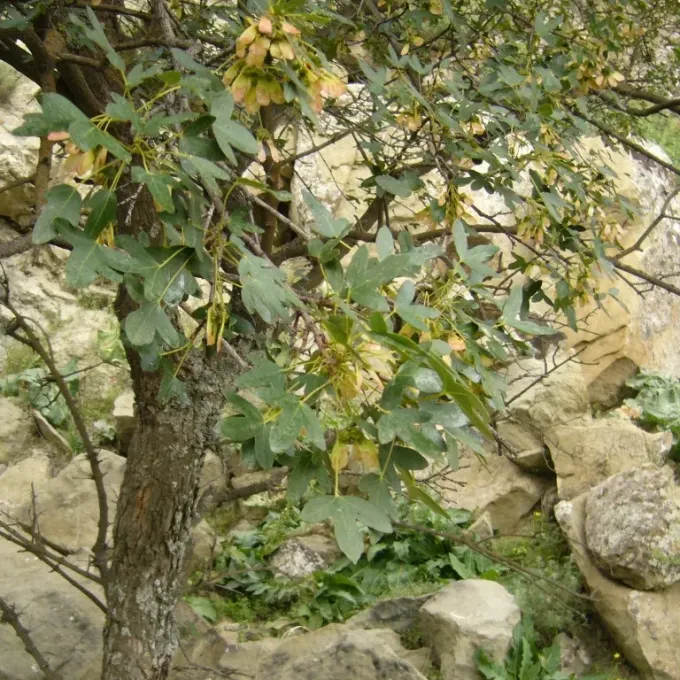
Botanically, it is classified as a small tree or large shrub. Its foliage is highly resilient, designed to endure high solar exposure and limited rainfall, which are characteristic of its native habitat in Turkmenistan and surrounding areas.
In terms of cultivation, the species requires sites with excellent drainage. It thrives in stony or rocky soil types that mirror its natural environment and prevents the saturation of the root zone, which the plant does not tolerate.
The climate requirements include high summer temperatures and a significant diurnal range in heat. As a xerophytic plant, it performs best in full sun and requires minimal irrigation once the root system is established.
Its economic importance covers ornamental gardening and ecological restoration in arid lands. The wood is dense and durable, making it historically interesting for niche timber applications, though conservation status is a priority for the species.
Main diseases and pests
Pests such as aphids and leaf-eating beetles are common threats that can significantly reduce the vitality of the Turkmen maple. Integrated pest management is essential to keep these infestations under control.
Fungal pathogens like powdery mildew are common in nursery settings where humidity levels might rise unexpectedly. Ensuring proper airflow through the canopy is a critical cultural practice to mitigate this risk.
Verticillium wilt is a more severe concern, often triggered by stress from improper moisture levels or soil compaction. Preventing such stress through precise agricultural management is the best defense against systemic infections.
The species also faces risks from rodent damage to the bark of young specimens. Protective measures, such as mechanical barriers or repellents, are recommended during the first years of growth in open fields.
General tree health should be monitored through regular inspections of leaf color and branch development. Timely intervention with appropriate fungicides or nutrient supplements can sustain the tree against recurring seasonal stressors.