
Trigonachras acuta
Trigonachras acuta
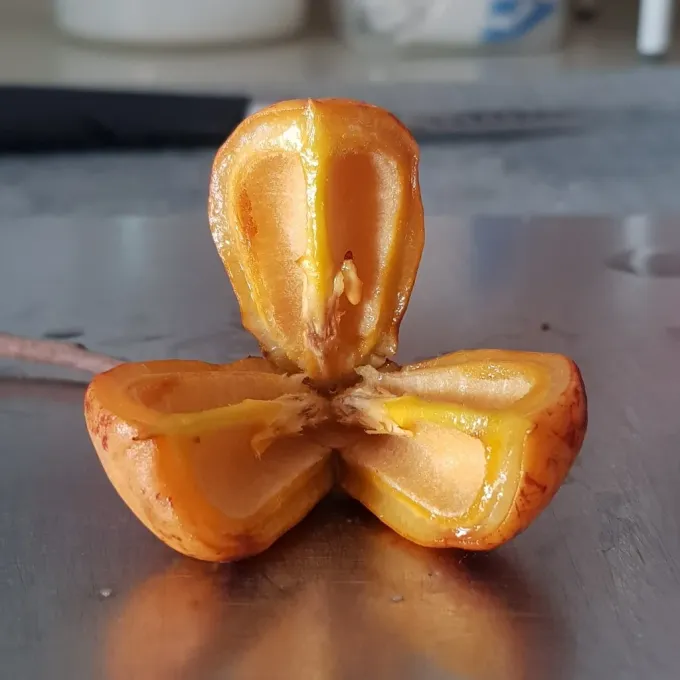
Description
Growing requirements
Trigonachras acuta is a woody plant species classified within the Sapindaceae family. The plant is characterized by its specific morphological traits, including a distinct structure of leaves and fruits that are typical for the flora found in the tropical regions of Southeast Asia.
The native distribution of this species is tied to tropical ecosystems where high humidity and warm temperatures persist year-round. These conditions are essential for the plant to maintain its physiological balance and to support the continuous growth of its evergreen foliage.
Regarding soil requirements, the species favors well-drained, nutrient-rich substrates. It is particularly sensitive to soil compaction and waterlogging, which necessitates the use of sites with good natural drainage or the installation of supplemental soil improvement systems in agricultural settings.
Cultivation practices for this species are limited, largely due to its specific environmental niche. Agricultural managers focusing on this crop must pay close attention to climate stability, as the plant is not frost-tolerant and requires significant solar exposure to thrive throughout its life cycle.
The practical application of Trigonachras acuta primarily involves its roles within forest ecosystem management and potential research into its unique wood properties. As a member of the Sapindaceae family, it contributes to the biodiversity of tropical regions and serves as a subject for ongoing botanical evaluation.