
Paranephelium macrophyllum
Paranephelium macrophyllum
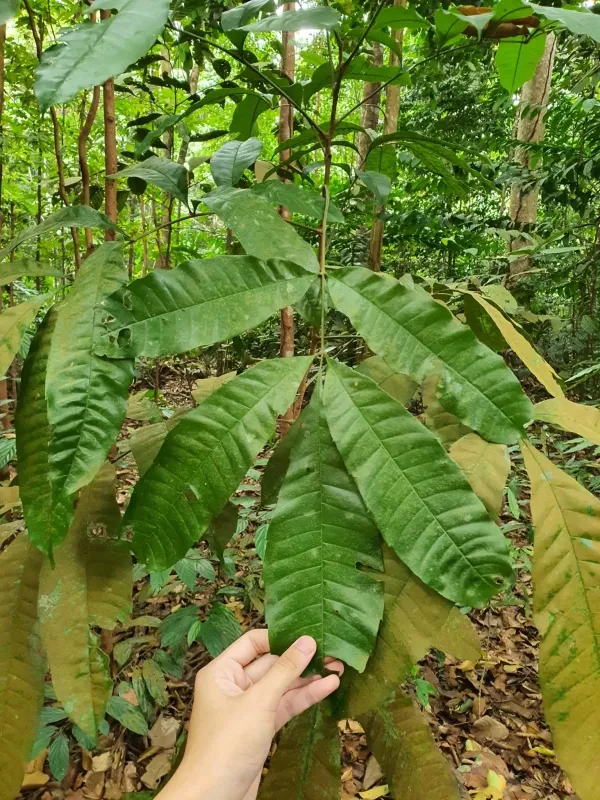
Description
Growing requirements
Paranephelium macrophyllum is a tropical tree species belonging to the Sapindaceae family. It is native to the lush, humid environments of Southeast Asia, thriving particularly in the tropical forests of Indonesia and Malaysia.
To cultivate this species successfully, a climate that mimics tropical rainforest conditions is essential. The plant requires consistently high temperatures, ideally remaining above 20°C, and significant annual rainfall to maintain its vigorous growth patterns.
Soil quality is a critical factor for the development of Paranephelium macrophyllum. It requires deep, fertile, and well-drained soils rich in organic matter. While it thrives in high-humidity areas, stagnant water around the root system can be fatal, making proper soil drainage a priority for growers.
Botanically, the tree is recognized by its large pinnate leaves and robust woody structure. In its natural habitat, it serves as a structural component of the mid-story canopy, adapting to the dappled light conditions characteristic of dense tropical forests.
When grown in plantation settings, young saplings require shade protection to prevent leaf scorching from intense sunlight. As the tree matures, it develops a hardier canopy, though protection from strong winds remains necessary to prevent mechanical damage to its branches.
Yield
The agricultural value of Paranephelium macrophyllum is multifaceted, centering on both its edible fruit and its high-quality timber. The fruits provide a nutritious supplement in local diets, offering a unique flavor profile sought after in regional markets.
The wood of this tree is highly valued for its density and natural durability. It is frequently utilized in local construction projects and for crafting durable agricultural implements, contributing to the economic stability of rural communities in its native range.
Yield efficiency is heavily dependent on tree maturity and the maintenance of appropriate soil nutrient levels. Proper canopy management and organic fertilization are recommended to ensure consistent fruit production throughout the harvesting season.
Beyond direct economic gain, the tree serves a vital function in agroforestry systems. By maintaining canopy cover and stabilizing soil with its extensive root system, it helps prevent land degradation and supports the local ecosystem's overall productivity.
Ongoing research into the species aims to identify superior cultivars that demonstrate both high fruit yields and faster maturation rates. This effort is essential for transitioning from wild harvesting to sustainable orchard cultivation.
Main diseases and pests
Root rot caused by fungal pathogens is a primary threat to the health of Paranephelium macrophyllum. This condition is almost exclusively linked to poor drainage, emphasizing the need for strictly controlled irrigation and soil aeration protocols.
Wood-boring insects represent a significant pest challenge. These pests can compromise the structural integrity of the trunk and branches, necessitating early intervention and regular phytosanitary inspections to keep infestation levels under control.
Nematode infestations can severely stunt tree growth by damaging the fine root hair network. Implementing effective crop rotation or using sterilized soil media for initial seedling growth is a proven method to mitigate this subterranean threat.
Defoliating caterpillars may appear during the growing season, potentially reducing the photosynthetic capacity of the tree. Management strategies usually involve biological control methods, which are preferred to maintain the delicate ecological balance in tropical farm environments.
Extended drought periods are considered an environmental threat, as they weaken the tree's natural defense mechanisms. Providing supplemental water during abnormally dry spells is crucial to prevent the onset of secondary infections and pest colonization.