
Paranephelium chinense
Paranephelium chinense
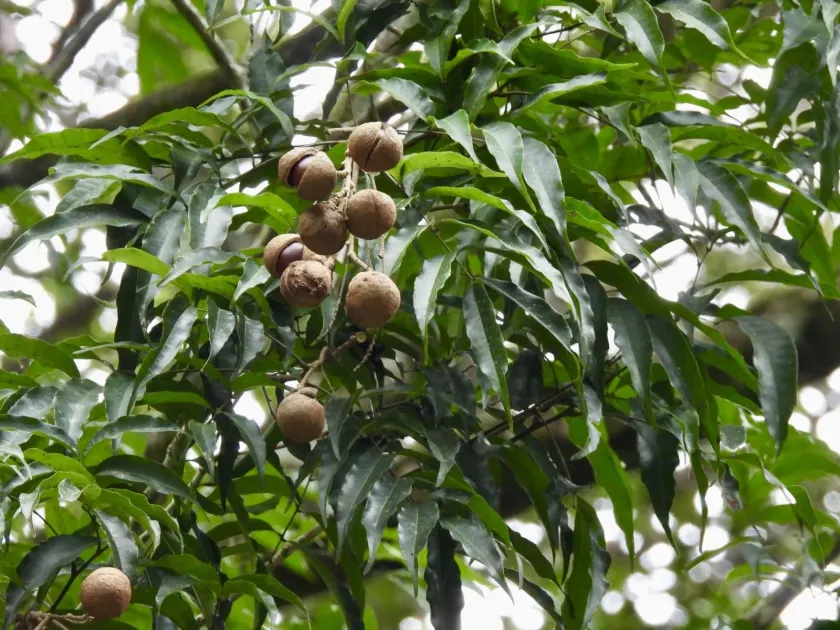
Description
Growing requirements
Paranephelium chinense is a distinct evergreen tree belonging to the Sapindaceae family. It is characterized by its pinnate foliage and is native to the tropical forests of Southeast Asia and Southern China.
This species thrives in high-humidity tropical climates where temperatures remain relatively stable throughout the year. It does not tolerate frost or cold snaps, which are detrimental to its physiological development.
Regarding soil requirements, the plant prefers fertile, well-draining soils rich in organic matter. While it requires consistent soil moisture, it is imperative to avoid waterlogging, which can cause severe root stress.
Agricultural management of Paranephelium involves managing shade levels for young saplings and ensuring nutrient availability. Periodic application of organic fertilizers is recommended to maintain vigorous growth.
The economic utility of the tree is primarily focused on its edible seeds, which are consumed in local diets. Additionally, the wood of the tree is utilized for various small-scale construction and artisan projects.
Main diseases and pests
The primary threats to this culture include fungal infections that manifest during prolonged rainy seasons. Effective drainage systems are the best preventive measure against soil-borne pathogens.
Insect pests such as scale insects and aphids may occasionally infest the canopy. Integrated pest management strategies are advised to keep populations under control without damaging the tree's health.