
Pappea ugandensis
Pappea ugandensis
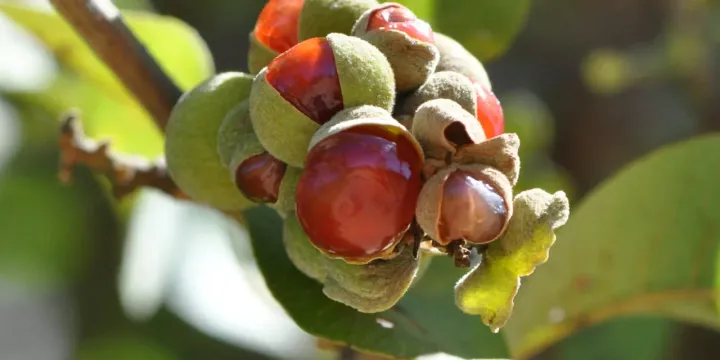
Description
Sowing dates
Pappea ugandensis is typically propagated from seeds, which should be planted shortly after collection as their viability decreases over time. A nursery setting with well-drained medium is ideal for the initial stage of germination and early development.
The best timing for sowing is the beginning of the rainy season, which provides the essential moisture for the seedlings to establish a strong root system. Pre-soaking or light scarification of the seeds can significantly increase the germination rate and ensure uniform emergence.
Seedlings are generally kept in containers until they reach a height of 40–50 centimeters, which provides sufficient vigor for survival once transplanted into the field. This stage often lasts about 12 months under proper nursery care and consistent watering.
Planting distances must account for the wide, spreading canopy of the mature tree, with a minimum spacing of 8–10 meters recommended between individual plants. Proper spacing prevents competition for resources and ensures better light penetration for optimal growth.
As a member of the Sapindaceae family, this species is well-adapted to the ecological niches of its native range. It is a long-lived tree that plays an important role in agroforestry systems, contributing to soil health and local biodiversity.
Growing requirements
The tree is highly drought-tolerant, making it a suitable candidate for cultivation in semi-arid environments where water resources may be limited. However, adequate moisture during the flowering and fruit-setting stages is crucial to maximize crop yields.
Pappea ugandensis thrives in well-drained soils, ranging from sandy loams to rocky substrates, provided they are not waterlogged. Poor drainage can lead to root rot, which is one of the few conditions that this robust tree cannot withstand.
Full solar exposure is required for the tree to express its full productive potential. Shaded environments negatively affect the tree's health, leading to sparse foliage and significantly lower fruit production compared to trees in full sun.
The species is accustomed to significant diurnal temperature fluctuations typical of tropical highlands. While mature trees are quite hardy, young plants require protection against frost or extreme cold during their first few years in the field.
Agricultural management should focus on maintaining a clean weed-free area around the base and consistent mulching to conserve soil moisture. Organic amendments during the early growth years will promote faster establishment and improved resistance to environmental stress.
Yield
The primary economic output of Pappea ugandensis is its oil-rich seeds, which are highly valued for their high-quality oil content. A healthy mature tree can yield between 20 and 50 kilograms of fruit per season, depending on environmental variables.
Productivity typically matures as the tree ages, with peak yields occurring in trees between 15 and 25 years old. The fruits are small, capsules that split open upon maturity, revealing seeds covered in a fleshy, nutritious aril.
The oil extracted from the seeds is versatile, finding applications in the food, cosmetic, and soap-making industries. Its chemical stability and lubricating properties make it an attractive alternative to other vegetable oils.
The fleshy part of the fruit is also edible and commonly consumed by local populations, providing a secondary source of food or income. It can be processed into beverages, jams, and various artisanal food products.
Improving the efficiency of harvesting and seed processing is essential for the economic viability of a Pappea plantation. Mechanized extraction methods significantly increase the purity and marketability of the final product.
Main diseases and pests
Various beetles and fruit-boring insects are the main pests affecting the seeds, often attacking the fruit before it is fully harvested. Integrated pest management, including regular field monitoring, is vital to prevent crop losses.
Fungal infections can develop in the bark if the trees are exposed to prolonged high humidity or lack of airflow. Proper pruning practices are recommended to keep the canopy open and healthy, reducing the likelihood of fungal colonization.
Sap-sucking insects like aphids and scales may infest young shoots, slowing down the development of juvenile trees. Early intervention with bio-based insecticides is generally sufficient to manage these infestations without harming beneficial insects.
Although Pappea is relatively resistant to diseases, physiological stress caused by water deficiency or poor soil nutrition makes it more susceptible. A well-nourished and hydrated tree is generally capable of defending itself against most common pathogens.
Routine site inspections allow for the early detection of issues, ensuring that the plantation remains productive for decades. Maintaining a healthy ecosystem around the trees helps regulate pest populations naturally.
Harvesting
Harvesting is performed manually as the fruit capsules ripen and begin to split. Collectors must be careful to avoid damaging the branches or fruit-bearing buds, which are necessary for the following season's production.
Once harvested, the fruits should be dried in the sun immediately to prevent mold formation and maintain the high quality of the oil stored within the seeds. Proper drying is critical to ensuring the longevity of the harvested material.
Mechanical decortication is employed to separate the seeds from their outer shells, ensuring a clean and high-quality raw material. This step is crucial for the efficient production of oil during the downstream processing phase.
Seed storage must be carried out in cool, dry, and well-ventilated areas to protect the oil from rancidity. Proper storage conditions ensure that the market value of the crop is maintained throughout the supply chain.
As the harvesting period can be prolonged, labor organization is key to efficiency. Phased harvesting ensures that all fruits are collected at the optimal stage of maturity, thereby reducing waste and maximizing total yield.