
Pappea capensis
Pappea capensis
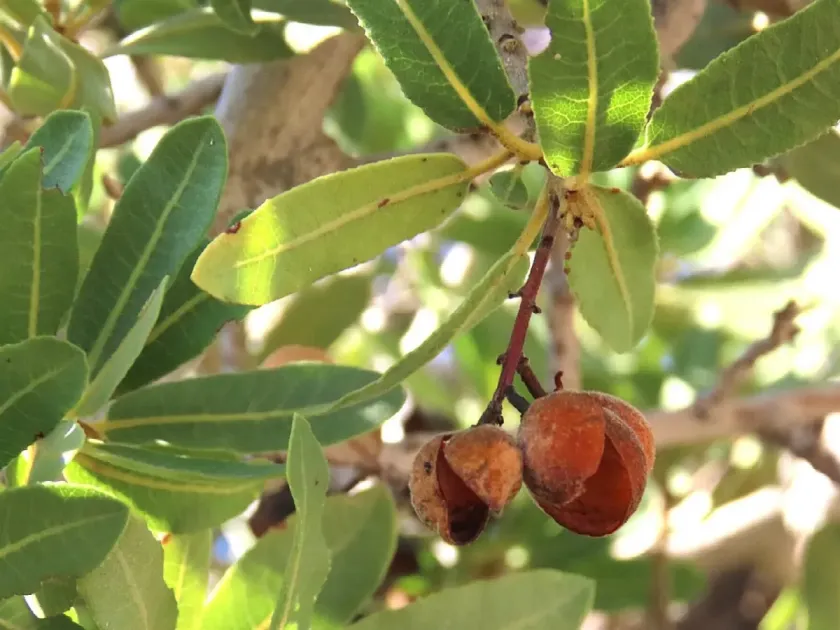
Description
Sowing dates
Propagation of Pappea capensis, commonly known as the jacket plum, is primarily achieved through seeds. It is crucial to sow seeds shortly after harvest, as they exhibit low viability when stored for extended periods.
To improve germination rates, soaking the seeds in warm water for 24 hours is highly recommended. This practice helps soften the seed coat and hydrates the embryo for faster emergence.
Seeds should be planted in a well-draining, sandy loam substrate at a depth of about 2 to 3 centimeters. Maintaining a consistent temperature between 20 and 25 degrees Celsius is optimal for success.
Seedlings usually emerge within three to six weeks. Once the plants reach a height of approximately 20 centimeters, they are ready to be transplanted into their permanent location in the field or nursery.
During the early growth stages, protecting the young trees from extreme sun exposure and strong winds is vital to ensure the development of a robust and healthy root system.
Growing requirements
Pappea capensis is a member of the Sapindaceae family and is native to the dry savannahs and wooded regions of Southern Africa. Its biology is perfectly adapted to semi-arid environments.
The species is remarkably tolerant of poor, rocky soils, though it performs best in well-draining soils with moderate fertility. Adequate drainage is the most critical soil requirement.
As a drought-resistant plant, it thrives in regions with limited rainfall. Once established, the tree requires minimal irrigation, making it a sustainable choice for water-scarce agricultural zones.
Full sunlight is necessary for optimal crown development and fruit production. Planting in shaded or crowded areas will significantly reduce the tree's vigor and its annual yield of fruit capsules.
The tree is resilient to moderate heat but requires protection against heavy frosts during its early years. Mature specimens can withstand short-term cold spells without significant damage.
Yield
The economic potential of the jacket plum lies largely in its oil-rich seeds. Each fruit contains seeds that yield a high-quality edible oil used in traditional cuisine and modern cosmetics.
Beyond the food industry, the oil possesses excellent emollient properties, making it highly valued for the production of skin care products, lotions, and soaps in international markets.
The yield of a mature tree depends heavily on environmental conditions during the flowering phase. Regular, healthy trees can provide a significant harvest if pollination is successful.
Post-harvest processing involves removing the fruit pulp, drying the seeds, and extracting the oil. Advanced mechanical pressing methods have increased efficiency in extracting high-quality oil.
In addition to the oil, the tree provides valuable shade and serves as a nectar source for bees, contributing to the broader ecological health of the agricultural landscape.
Main diseases and pests
Pappea capensis is generally robust and resistant to most common plant diseases. Its native adaptation allows it to flourish without the need for intensive chemical interventions.
Root rot is the primary threat, typically caused by improper drainage or waterlogging. Ensuring the soil remains well-drained is the most effective preventative measure against fungal issues.
While pests are rarely a concern for healthy, mature trees, insects like aphids or scale insects may occasionally infest weak growth. Monitoring and simple pruning usually suffice to manage populations.
Wild animals, such as monkeys and various bird species, are attracted to the sweet pulp of the fruit. Protective netting or fencing may be required in high-density cultivation areas to secure the harvest.
Over-fertilization, particularly with nitrogen, can lead to succulent growth that attracts pests. A balanced, natural approach to soil nutrition is preferred to maintain the plant's inherent resistance.
Harvesting
The harvesting process begins when the fruit capsules start to split open and change color from green to brown, signaling that the seeds are fully mature and ready for collection.
Manual harvesting is the preferred method to prevent fruit damage and to protect the tree’s limbs. Careful handling ensures that the harvested fruit remains clean and free of ground debris.
After collection, the seeds must be separated from the outer pulp and air-dried in a shaded, well-ventilated area to prevent mold growth, which could degrade the quality of the seed oil.
Proper storage is essential; seeds should be kept in breathable containers in a cool, dry place to maintain their oil content and viability for processing or future planting.
Efficient logistics from the field to the processing facility are important. Reducing the time between harvest and oil extraction preserves the chemical integrity and market value of the end product.