
Molinaea alternifolia
Molinaea alternifolia
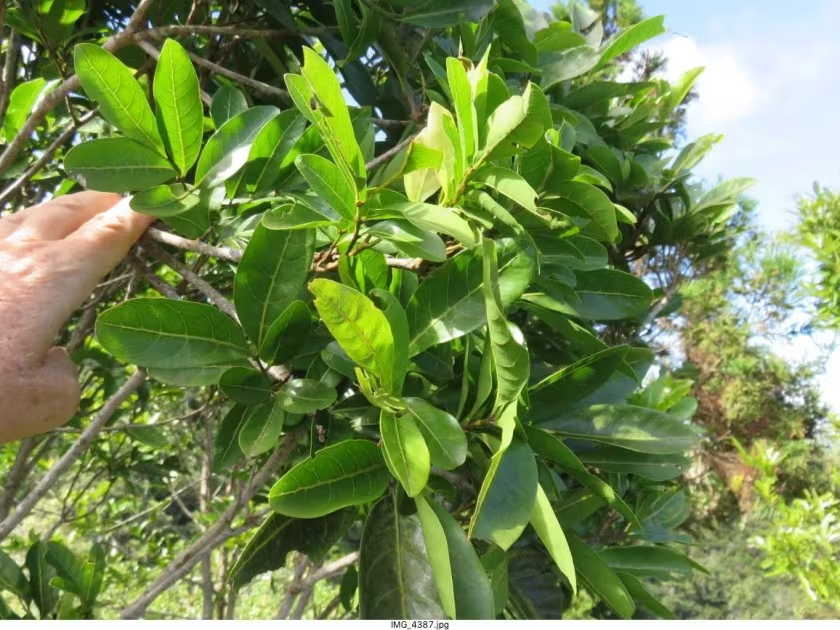
Description
Sowing dates
Propagation of Molinaea alternifolia is primarily conducted through seeds, which require specific preparation to overcome dormancy. Soaking the seeds in warm water or scarification significantly improves germination rates before sowing them into a nutrient-rich substrate.
The optimal sowing time is during the early spring months when light levels increase, providing the necessary energy for seedling development. In controlled greenhouse environments, sowing can occur as early as late winter to maximize the growing season.
Seeds should be covered with a fine layer of soil, approximately 1-2 centimeters deep, to protect them from drying out while ensuring they receive adequate warmth. Consistent moisture levels must be maintained throughout the germination phase to ensure success.
Vegetative propagation via semi-hardwood cuttings is an alternative method, best performed in mid-summer. Treating cuttings with rooting hormones and placing them in a humid, well-ventilated propagation chamber promotes faster development of the root system.
When transplanting young plants, it is crucial to manage spacing to allow for future crown development. A distance of 1.5 to 2 meters between trees ensures that each plant receives sufficient resources and air circulation for healthy long-term growth.
Growing requirements
As a member of the Sapindaceae family, Molinaea alternifolia thrives in tropical and subtropical climates. It is highly sensitive to frost, necessitating a frost-free environment for its successful cultivation and physiological maturity.
The plant demands well-drained soil with a slightly acidic to neutral pH. Soil compaction must be avoided, as it leads to root asphyxiation; adding organic compost can improve soil structure and water retention properties without causing waterlogging.
Full sun exposure is preferred for this species, as high light intensity is essential for robust stem growth and leaf development. While the tree can tolerate partial shade, maximum sunlight ensures the most favorable growth rates and overall vigor.
Watering requirements are moderate but require consistency. During the peak of the growing season, deep watering helps establish deep root systems, while during drier periods, it is essential to prevent the root zone from completely drying out.
Balanced fertilization programs using nitrogen, phosphorus, and potassium should be implemented during the active growth phase. Micronutrients may also be beneficial in certain soil types to prevent chlorosis and maintain healthy, dark green foliage.
Main diseases and pests
Root rot is the most significant pathological threat to Molinaea alternifolia, typically caused by poor drainage and excessive moisture in the soil. Early intervention through soil aeration and reduced irrigation is critical for plant survival.
Pest infestations such as aphids and scale insects are common, particularly on young, tender shoots. These insects sap vital nutrients from the plant, causing stunted growth and leaf curling, and should be treated with appropriate systemic insecticides.
Spider mites represent a major concern in environments with low air humidity. These microscopic pests feed on cell contents, causing the foliage to lose its color and develop necrotic spots if left unchecked over an extended period.
Fungal leaf diseases, such as powdery mildew, can occur when high humidity levels coincide with stagnant air. Maintaining proper spacing and pruning for increased airflow can serve as an effective preventive measure against these infections.
Integrated pest management, including regular inspections and the removal of infected plant tissues, is recommended to maintain the health of the cultivation. Preventive fungicide applications during high-risk seasons can further protect the crop.