
Acer micranthum
Acer micranthum
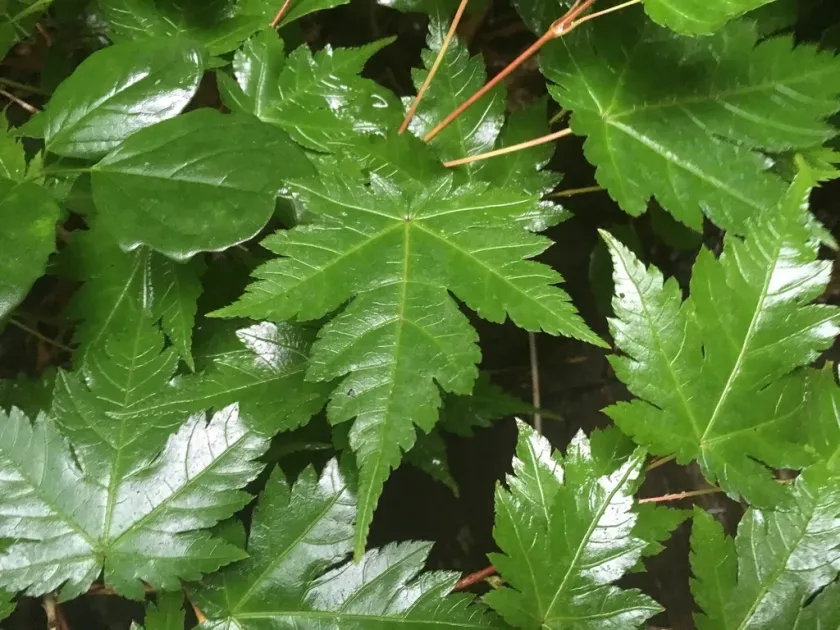
Description
Sowing dates
Propagation of Acer micranthum is most effectively achieved through seeds collected from healthy specimens in autumn. The seeds require cold stratification for several months to break dormancy and ensure successful germination in spring.
When sowing, select a location with well-drained, fertile soil, protecting young seedlings from harsh, direct sunlight. Seeds should be sown at a shallow depth of about 2 to 3 centimeters to facilitate uniform emergence.
Moisture control during the germination stage is vital; the substrate must remain consistently damp but never waterlogged. Using a lightweight, organic-rich growing medium promotes rapid development of the root system.
For vegetative propagation, semi-hardwood cuttings can be taken during the summer months. Dipping cuttings in rooting hormone and providing a high-humidity environment is essential for successful root development.
Young plants should be kept in a sheltered nursery area for the first two years, allowing them to gain sufficient hardiness before being transplanted to their final location in the landscape.
Growing requirements
Acer micranthum, belonging to the Sapindaceae family, is a small tree native to the temperate mountain forests of Japan. It thrives in cool, humid environments and performs best in partial shade conditions.
The ideal soil for this maple is a slightly acidic to neutral loam that retains moisture while allowing excess water to drain freely. Proper drainage is the most critical factor in preventing root damage.
Although the tree is moderately hardy, it benefits from protection against strong, drying winds that can cause leaf scorch. Mulching around the base of the tree helps maintain stable soil temperatures.
Regular watering is necessary during periods of drought, especially for younger trees with underdeveloped root systems. In spring, the application of balanced fertilizer supports healthy foliage growth.
Minimal pruning is usually required, limited to removing dead or crossing branches. Maintaining good air circulation within the canopy is beneficial for long-term health and structural integrity.
Main diseases and pests
The primary health concerns for Acer micranthum include fungal pathogens such as powdery mildew, which thrive in stagnant, humid air. Regular thinning of the canopy helps reduce the risk of infection.
Root rot is a common issue caused by poor soil drainage and over-irrigation. If detected early, correcting the watering schedule and applying appropriate fungicides can often save the tree from decline.
Insect pests, such as aphids and spider mites, can damage the leaves during the hotter months. These pests feed on sap and can cause leaf yellowing, wilting, and premature drop if left unmanaged.
Integrated pest management, including the use of horticultural oils or systemic insecticides, is recommended to control populations without damaging beneficial garden insects.
Sanitation practices, such as removing fallen leaves and pruning away infected plant parts, are essential to minimize the overwintering of pathogens and pests within the growing area.