
Acer pentaphyllum
Acer pentaphyllum
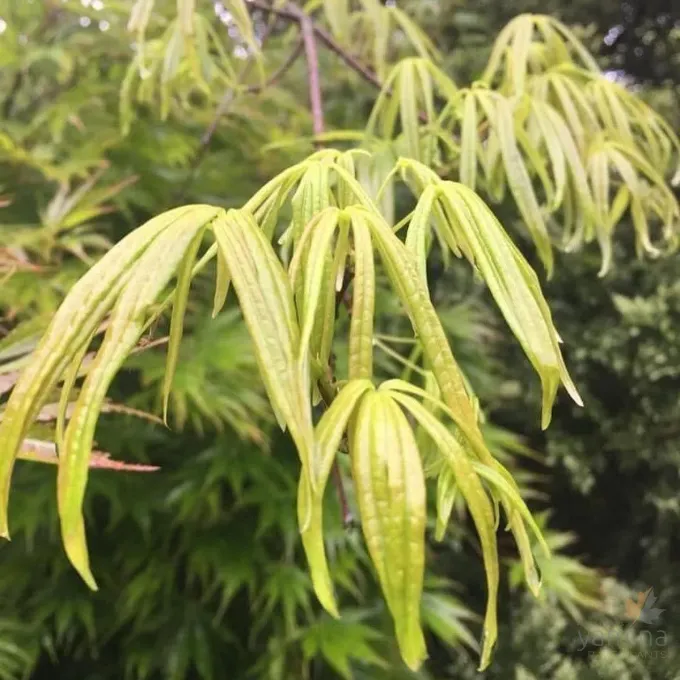
Description
Sowing dates
Acer pentaphyllum propagation relies heavily on seed germination, which requires a stratification period of approximately 90 to 120 days at temperatures between 1°C and 5°C. This process is essential to overcome natural seed dormancy.
Sowing should be performed in a well-drained, sterile substrate mix containing peat and perlite to prevent damping-off disease. Seeds are typically planted at a depth of one centimeter to allow for adequate oxygen access.
In a nursery setting, maintain consistent moisture levels without over-saturating the soil. Using cold frames or temperature-controlled greenhouses significantly improves the germination rate and protects emerging seedlings from extreme weather.
Once the first set of true leaves develops, individual seedlings should be transplanted into larger containers. This stage allows the root system to strengthen before the tree is eventually moved to its permanent location in the landscape.
During the first year, young specimens need protection from direct afternoon sun and drying winds, as their delicate foliage is highly susceptible to dehydration.
Growing requirements
As a member of the Sapindaceae family, Acer pentaphyllum is native to the mountain forests of Sichuan, China. It thrives in temperate microclimates that provide high humidity and protection from extreme temperatures.
The tree prefers deep, loamy soils that are rich in organic matter and slightly acidic. Good drainage is non-negotiable; while it loves consistent moisture, it will not tolerate waterlogged conditions that lead to root decay.
Regarding light, this species performs best in dappled shade or partial sun, especially in warmer climates where the sun's intensity might scorch the leaves. Proper airflow is critical to preventing fungal issues.
Mulching around the base of the tree is a highly recommended practice to stabilize soil temperature and retain moisture. Use organic mulch like pine bark or compost, but ensure it does not touch the trunk directly to prevent rot.
Fertilization should be applied sparingly, ideally in early spring. A balanced, slow-release granular fertilizer is usually sufficient to support growth without causing excessive, weak shoot development.
Main diseases and pests
Aphids are common pests that colonize the underside of leaves, causing curling and stunted growth. Regular monitoring and the application of insecticidal soaps are effective methods for controlling populations.
Powdery mildew is a frequent fungal threat during humid, stagnant conditions. To mitigate this, ensure adequate spacing between trees and prioritize pruning for better air circulation throughout the crown.
Root rot, often caused by poor drainage, is a significant threat that can kill an established tree. Signs include yellowing leaves and dieback of outer branches; remediation involves correcting soil hydrology.
Leaf spot diseases, often fungal in origin, result in aesthetic damage and can weaken the plant over time. Removing fallen leaves in the autumn is crucial for breaking the disease cycle and reducing pathogen levels.
Verticillium wilt is a serious vascular disease for maples. If confirmed, infected limbs must be removed using sterilized equipment, and the surrounding area should be monitored for further symptoms of decline.