
Ackee
Blighia sapida K. D. Koenig
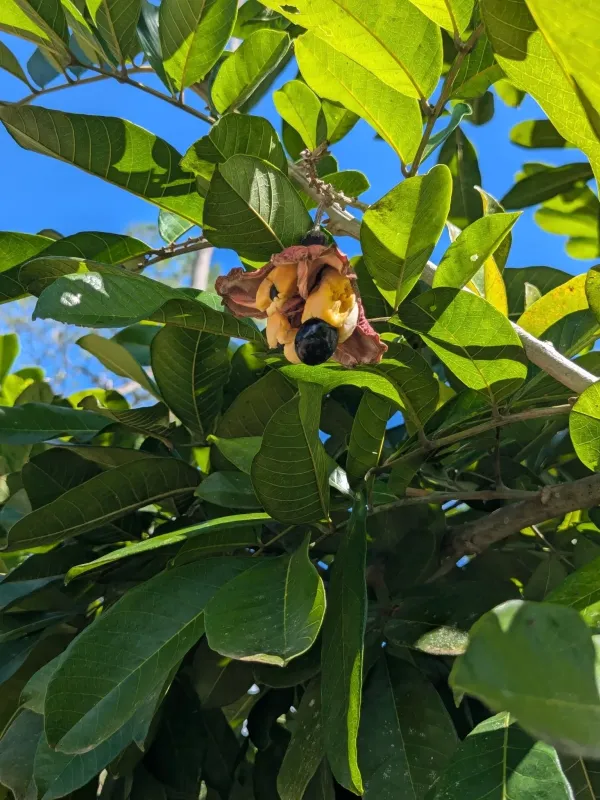
Description
Sowing dates
Ackee (Blighia sapida) is an evergreen tree belonging to the Sapindaceae family. Native to West Africa, it is widely cultivated in tropical regions for its edible fruit arils.
Propagation is typically done through seeds. Fresh seeds should be sown in well-draining soil at a depth of 2–3 centimeters. High humidity and warmth are critical for germination.
Seedlings require careful handling and shade during the initial growth stages. Once they reach 30–50 centimeters in height, they can be transplanted to their permanent location.
Spacing between trees is essential to ensure proper airflow and light penetration. Ideally, trees should be planted at intervals of 8–10 meters to allow for full crown development.
Young plants need regular watering until they are fully established, after which they show moderate drought tolerance due to their deep root system.
Growing requirements
Ackee thrives in tropical environments with consistent temperatures, ideally ranging between 20 and 30 degrees Celsius. It does not tolerate frost or cold winds.
The tree prefers fertile, deep, and well-drained soils. While it can adapt to various soil types, waterlogging must be strictly avoided to prevent root damage.
Optimal sunlight is crucial for healthy fruit production. Areas receiving full sun throughout the day produce the highest yields and the most vibrant fruit color.
The tree requires a moderate level of annual rainfall. In regions with long dry seasons, supplemental irrigation is necessary to ensure fruit quality and prevent early fruit drop.
Soil management should include regular mulching to retain moisture and improve soil structure, especially in areas where organic matter in the soil is low.
Main diseases and pests
Root rot is the most common threat, primarily caused by poor drainage or excessive soil moisture. Maintaining soil aeration is vital for the tree's survival.
Scale insects and mealybugs are frequently observed pests that can weaken the tree by sap-sucking. Integrated pest management strategies are recommended for control.
Fungal leaf spots may occur in high-humidity areas with poor ventilation. Regular pruning to thin out the canopy is an effective cultural practice to manage these risks.
Ants can sometimes be associated with scale infestations, acting as carriers. Managing ant populations near the base of the tree can help reduce secondary pest outbreaks.
- Implementation of regular pruning schedules.
- Application of organic fungicides if fungal spread is detected.
- Monitoring of leaves for signs of chlorophyll loss or discoloration.
Harvesting
Harvesting ackee requires extreme caution. The fruit must only be picked once it has opened naturally on the tree, revealing the yellow arils inside.
Consuming immature, unopened fruit is dangerous due to the presence of hypoglycin A, a toxin that can lead to severe food poisoning, known as "Jamaican vomiting sickness."
The edible part of the fruit is the aril, which must be carefully separated from the toxic seeds and the pink-red pod interior. Proper preparation is essential for food safety.
Post-harvest life is limited, as the fruit is highly perishable. Commercial producers focus on immediate processing and canning for the international market.
Productivity varies with age and tree health. A well-maintained mature tree can provide multiple harvests throughout the year in optimal equatorial conditions.