
Pseudoscolopia
Pseudoscolopia
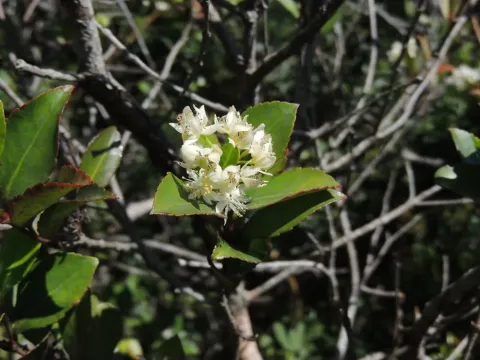
Pseudoscolopia is a distinct botanical genus belonging to the Icacinaceae family. Primarily found in tropical and subtropical forest regions, these plants are woody perennials that require specific environmental conditions to thrive in an agricultural setting.
What the section contains

Pseudoscolopia
The climate requirements for Pseudoscolopia focus on consistency. The plants demand high humidity levels and a stable temperature range, as they are susceptible to physiological stress caused by drastic shifts in thermal conditions or prolonged dry spells.
Soil composition is critical for the success of this crop. Well-drained, nutrient-rich soil with a slightly acidic profile is ideal. Practitioners must ensure that the site has excellent drainage, as the species is highly intolerant of waterlogged soil conditions.
Agrotechnical management includes controlled shading, especially during the early developmental stages. Providing a semi-shaded environment helps prevent leaf scorching and mimics the natural canopy structure found in the species' native habitat.
Regular maintenance involves organic fertilization and mulching to conserve soil moisture and suppress weed competition. Proper spacing between individual plants is necessary to ensure adequate airflow and facilitate easier access for monitoring and harvest operations.
Fungal diseases, particularly those affecting the root system, represent the primary threat to Pseudoscolopia plantations. Preventive measures include soil sterilization before planting and the application of balanced drainage techniques to avoid anaerobic conditions.
In terms of insect pests, the crop is vulnerable to scale insects and mealybugs. These pests thrive in high-humidity microclimates and can rapidly weaken the plant by feeding on phloem sap, leading to secondary viral infections and stunted growth.
Regular inspections are essential to detect early symptoms of pest infestation. Integrated Pest Management (IPM) strategies, involving both mechanical removal and the use of soft chemical interventions, are recommended to maintain plant vitality.
Anthracnose and other leaf-spot pathogens can pose a significant challenge during periods of high precipitation. Removal and disposal of infected plant material are standard sanitation practices to prevent the further spread of disease within the orchard.
Strategic monitoring of the plant's nutrient status is also a form of disease prevention, as healthy, well-nourished plants exhibit higher natural resistance to both pathogens and environmental stress factors, ensuring a more robust harvest.