
Prockia
Prockia
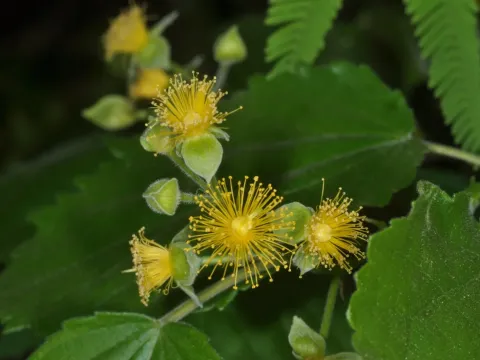
Prockia is a genus of flowering plants belonging to the Salicaceae family. Historically, it was often classified within the Flacourtiaceae family, but modern taxonomic studies have firmly placed it within the willow and poplar lineage, reflecting its specific structural and biological traits.
What the section contains

Prockia
The native distribution of Prockia is centered in the tropical regions of the Americas. It is commonly found in rainforest understories and clearings, ranging from Mexico through Central America to South America, often thriving in warm, humid conditions that mirror its evolutionary adaptation.
Optimal growth requires consistent tropical temperatures, ideally between 22°C and 28°C. Prockia is strictly non-frost tolerant, meaning that exposure to low temperatures or cold drafts will severely impair its growth and potentially lead to complete plant failure.
Regarding soil requirements, this plant prefers well-drained, nutrient-rich soils with slightly acidic to neutral pH levels. Water management is critical; while the plant enjoys moisture, it is highly susceptible to root decay if the substrate becomes waterlogged or overly compacted.
Cultivation practices involve maintaining a humid environment, which is essential for healthy leaf development. In greenhouse settings, growers should prioritize consistent irrigation and occasional structural pruning to ensure the plant maintains a manageable size while promoting healthy vegetative growth.
The economic value of Prockia is primarily localized. While certain species produce small fruits that are consumed locally by native populations, they have not become significant agricultural commodities. The primary use of the plant today remains in botanical collections and specialized landscaping within tropical climates.