
Pseudoscolopia polyantha
Pseudoscolopia polyantha
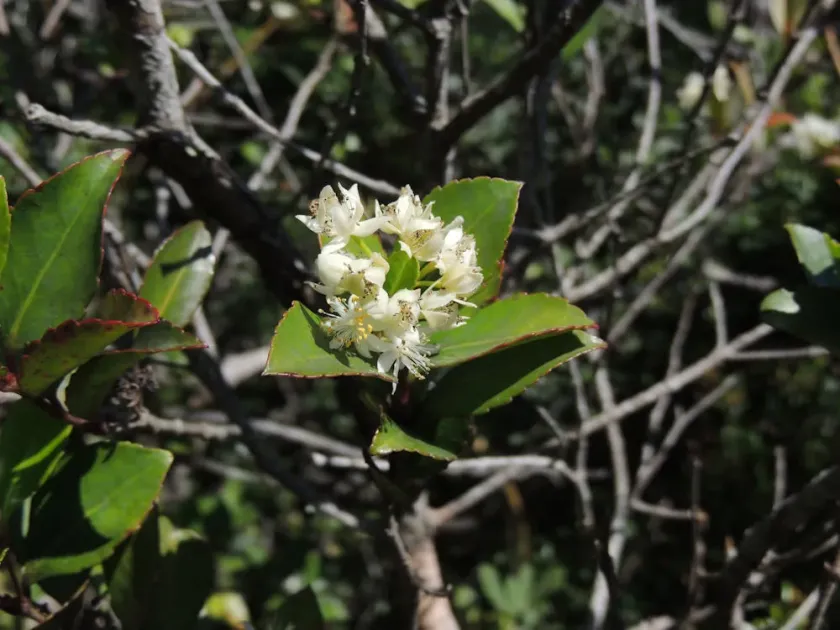
Description
Growing requirements
Pseudoscolopia polyantha is a distinctive evergreen species belonging to the Salicaceae family, native to the coastal regions of South Africa.
The plant thrives in moist, well-drained soils, typically found at the edges of forests or in protected valley areas with reliable rainfall patterns.
Climate requirements include temperate to subtropical conditions, avoiding hard frosts which can damage the foliage and younger stems of the plant.
Soil management should focus on maintaining high organic matter content and ensuring that the drainage is sufficient to prevent waterlogging during the rainy season.
Planting in semi-shaded areas is recommended, as this mimics the natural habitat of the species and protects it from excessive evaporation during peak summer temperatures.
Harvesting
The economic use of Pseudoscolopia polyantha is primarily focused on its ornamental value and its application in local agro-forestry and conservation projects.
The wood is historically noted for its density and suitability for creating small traditional tools, which highlights its historical significance in local crafts.
Harvesting for propagation involves collecting mature seeds from the fruits, which are then processed under nursery conditions to ensure high germination rates.
Pruning is a essential practice for horticultural use, allowing the plant to be shaped as a dense hedge or a specimen shrub in landscape architecture.
Regular monitoring for pests and diseases is necessary to maintain the health of the plants, particularly in regions where environmental stressors might increase susceptibility to fungal pathogens.