
Prockia crucis
Prockia crucis
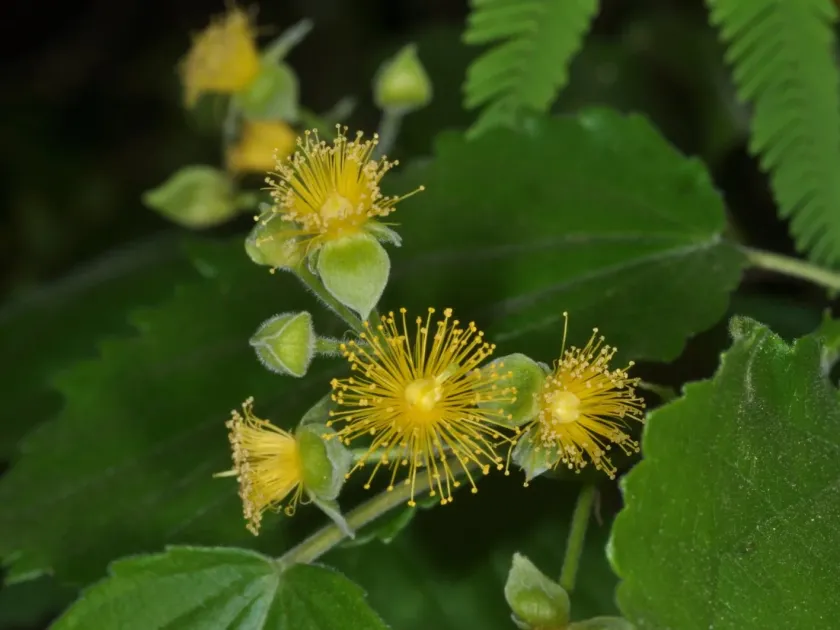
Description
Growing requirements
Prockia crucis is a woody shrub or small tree belonging to the family Salicaceae. It is a perennial plant known for its adaptability to specific tropical ecosystems, showcasing typical characteristics of the flora found in the Neotropics.
The native range of this species extends from Mexico, through Central America, and across the Caribbean islands to South America. It thrives in humid environments, often colonizing secondary forests, forest edges, and areas with disturbed vegetation where light competition is reduced.
Climatic requirements for Prockia crucis emphasize the need for consistent warmth and high humidity levels. The plant is not frost-tolerant and requires an environment that mimics its natural habitat, with year-round temperatures typically ranging between 20°C and 30°C for optimal growth.
Soil management for this culture involves maintaining well-draining, nutrient-rich substrates. While the plant can tolerate a range of soil types, it performs best in soils with high organic content and a slightly acidic to neutral reaction, ensuring that the roots are never waterlogged.
In terms of agricultural use, Prockia crucis is recognized for its edible berries, which hold potential for local fruit production. Additionally, the plant serves as a vital component of local biodiversity, often providing habitat and food resources for various pollinators and avian species in its native environment.
Main diseases and pests
The primary threats to Prockia crucis health include various sap-sucking insects and leaf-defoliating larvae that are common in tropical agricultural landscapes. Careful monitoring is required during the vegetative phase to prevent significant foliage damage.
Fungal diseases, especially those thriving in high humidity, pose a significant risk to the plant's structural integrity. Managing these threats involves implementing robust agricultural practices, such as ensuring proper canopy management to facilitate airflow and reducing the humidity trapped within the leaves.